



Are Liquid-Filled Pressure Gauges Better?
 Jan 14, 2026|
 View:1495
If you have ever stood in front of a vibrating pump, a noisy compressor, or a pulsating hydraulic line and squinted at a shaky gauge needle, you have probably asked yourself this exact question: are liquid filled pressure gauges better?
In this in-depth guide, we will break down everything you need to know about the liquid filled pressure gauge—how it works, why people swear by it, where it shines, where it struggles, and whether it is truly the right choice for your application.

What Is a Liquid Filled Pressure Gauge?
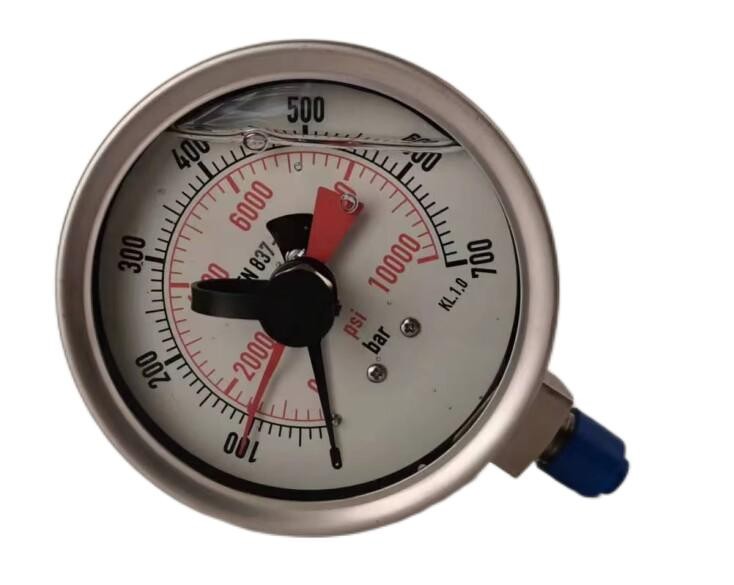
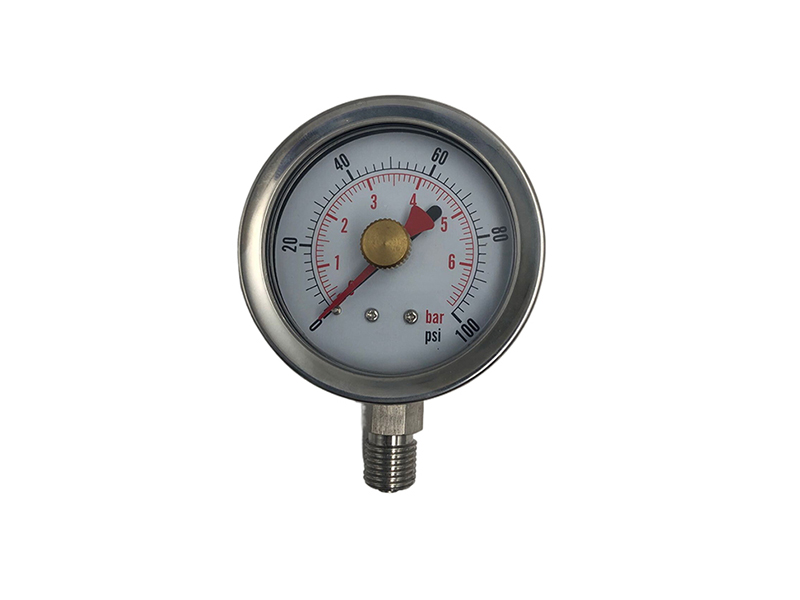
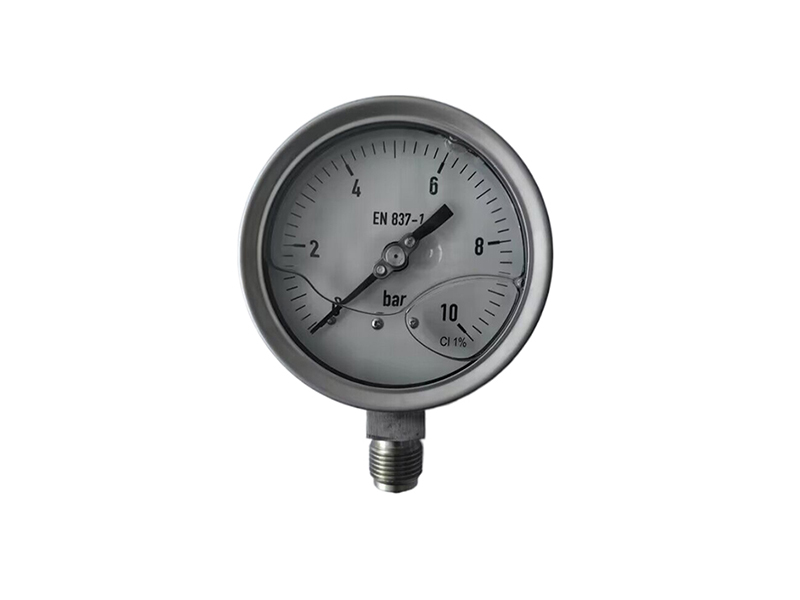
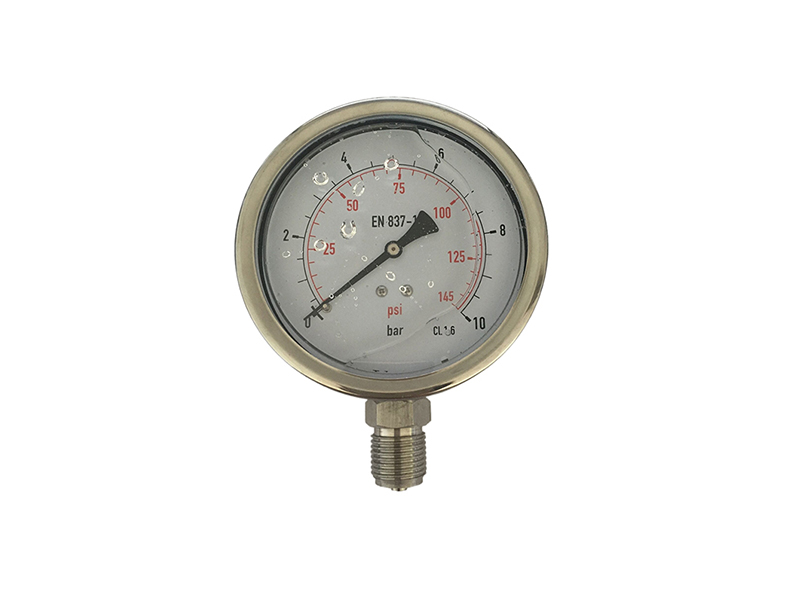
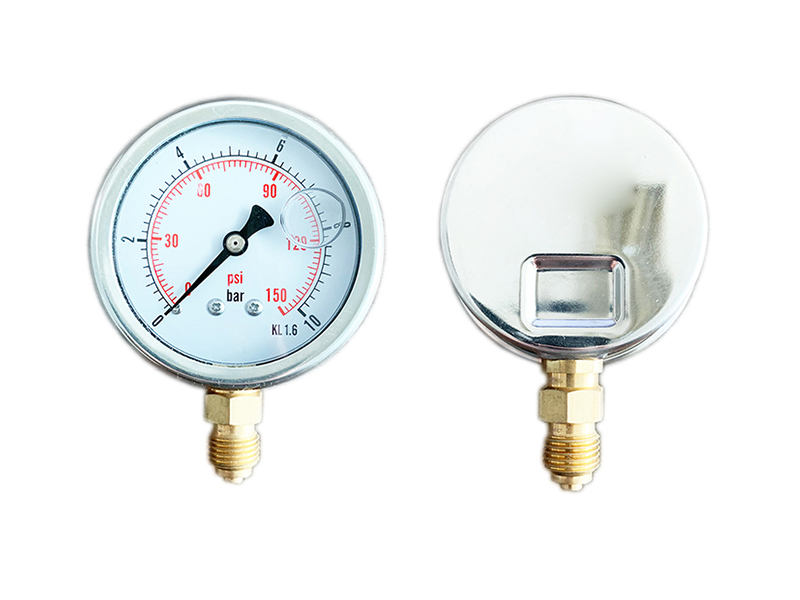
A liquid filled pressure gauge is exactly what it sounds like—a pressure gauge that is filled with a liquid, usually glycerin or silicone oil, inside the case. That liquid surrounds the internal components and the needle.
Think of it like shock absorbers in a car. Without them, every bump rattles your teeth. With them, the ride is smooth and controlled. The liquid inside the gauge does the same thing—it dampens vibration and pulsation, keeping the needle steady and readable.
How Does a Liquid Filled Pressure Gauge Work?
From the outside, it looks like a normal pressure gauge. Inside, however, the liquid changes everything.
Here is what happens:
Pressure enters the gauge and acts on the Bourdon tube (or other sensing element).
The tube moves and drives the needle.
The liquid inside resists sudden movement, slowing the needle just enough to prevent shaking.
The result?
A smooth, stable needle that does not bounce around like it is having a caffeine overdose.
Why Do People Prefer Liquid Filled Pressure Gauges?
There is a reason these gauges are everywhere—from factories to oil rigs to HVAC systems. Let us break down the real-world advantages.
Superior Vibration Resistance
This is the biggest selling point.
In high-vibration environments—think pumps, compressors, engines, and hydraulic systems—a dry gauge needle can oscillate wildly. Over time, this constant movement:
Makes readings hard to interpret
Causes premature wear
Shortens the gauge’s lifespan
A liquid filled pressure gauge absorbs vibration like a sponge, keeping the needle calm and readable.
Longer Service Life
Less movement equals less wear. It is that simple.
Because the liquid cushions internal components:
Gears last longer
Bourdon tubes experience less fatigue
Calibration stays stable for longer periods
If you are tired of replacing gauges every few months, liquid filling can feel like a breath of fresh air.
Improved Readability
Let us be honest—what good is a gauge if you cannot read it?
Liquid filling:
Reduces needle flutter
Makes pressure trends easier to see
Helps operators make faster, more confident decisions
It is the difference between reading a sign in a windstorm versus reading it on a calm day.
Protection Against Internal Condensation
In humid environments or systems with temperature swings, moisture can sneak inside dry gauges and fog them up. Liquid-filled gauges:
Minimize internal condensation
Reduce corrosion risk
Keep the dial clear and legible
Better Performance in Pulsating Pressure Systems
If your system has rapid pressure spikes—such as reciprocating pumps or hydraulic circuits—a liquid filled pressure gauge helps smooth out those spikes so you see meaningful averages rather than chaos.
Are Liquid Filled Pressure Gauges Always Better?
No product is perfect, and liquid-filled pressure gauges are no exception.
Temperature Sensitivity Can Be a Drawback
Liquids expand and contract with temperature. That means:
In high heat, internal pressure can build up
In cold conditions, the liquid can thicken
This can slightly affect accuracy unless the gauge has a vented or compensated case.
If your application sees wide temperature swings, you need to choose carefully.
Not Ideal for Oxygen or Certain Chemicals
Standard glycerin-filled gauges are not compatible with oxygen service or some aggressive chemicals. Using them in the wrong application can be unsafe.
In these cases, a specially designed dry gauge or a gauge filled with an approved fluid is required.
Higher Initial Cost
A liquid filled pressure gauge usually costs more than a dry gauge. However, that higher upfront cost often pays for itself through:
Longer lifespan
Fewer replacements
Reduced downtime
It is the classic “pay now or pay later” scenario.
Dry vs Liquid Filled Pressure Gauges: A Clear Comparison
To really answer the question “are liquid-filled pressure gauges better?”, let us compare them side by side.
Dry Pressure Gauges
Best for:
Low-vibration environments
Indoor, stable conditions
Budget-sensitive applications
Pros:
Lower cost
Lightweight
No liquid expansion issues
Cons:
Poor vibration resistance
Shorter lifespan in harsh environments
Needle flutter
Liquid Filled Pressure Gauges
Best for:
High vibration
Pulsating pressure
Outdoor or industrial settings
Pros:
Excellent vibration damping
Longer service life
Better readability
Cons:
Higher cost
Temperature sensitivity
Not suitable for all media
Common Industries That Rely on Liquid Filled Pressure Gauges
If you are wondering whether professionals trust these gauges, just look at where they are used.
Hydraulics and Pneumatics
Hydraulic systems are the poster child for liquid filled pressure gauges. Constant pressure fluctuations make dry gauges nearly useless in many setups.
Oil and Gas Industry
Rugged conditions, vibration, and outdoor exposure make liquid filling almost mandatory in many oil and gas applications.
Manufacturing and Process Plants
From chemical processing to food production, stable readings are critical for quality control and safety.
HVAC Systems
Compressors vibrate. Refrigerant pressures fluctuate. Liquid-filled gauges help technicians diagnose systems accurately.
Marine and Mobile Equipment
Boats, construction equipment, and vehicles all experience constant motion. Liquid-filled gauges keep working when dry gauges give up.
Glycerin vs Silicone: Which Filling Liquid Is Better?
Not all liquid-filled pressure gauges use the same fluid.
Glycerin-Filled Pressure Gauges
Best for:
Moderate temperatures
General industrial use
Advantages:
Cost-effective
Excellent damping
Widely available
Limitations:
Thickens in cold weather
Not ideal for extreme temperatures
Silicone-Filled Pressure Gauges
Best for:
Wide temperature ranges
Extreme environments
Advantages:
Better low-temperature performance
Less internal pressure buildup
Longer fluid stability
Limitations:
Higher cost
If your application lives in the cold or sees rapid temperature changes, silicone is often worth the upgrade.
Accuracy: Are Liquid Filled Pressure Gauges More Accurate?
Out of the box, accuracy depends on gauge design, not whether it is liquid-filled. However, in real-world conditions, liquid-filled gauges often maintain accuracy longer because they suffer less mechanical wear.
So while they may not be inherently more accurate on day one, they stay accurate longer in harsh conditions.
Installation Tips for Liquid-Filled Pressure Gauges
Want to get the most out of your gauge? Installation matters more than you think.
Use a Snubber or Restrictor When Needed
Even liquid-filled gauges can benefit from additional protection in extreme pulsation.
Vent the Case If Required
Some liquid-filled pressure gauges have a rubber plug or vent. If your gauge is used in hot conditions, venting prevents internal pressure buildup.
Match the Gauge to the Application
Do not assume one gauge fits all. Pressure range, media compatibility, temperature, and vibration levels all matter.
Maintenance: Do Liquid-Filled Pressure Gauges Need Special Care?
Good news—they are generally low maintenance.
Still, you should:
Inspect for leaks
Check fluid clarity
Verify calibration periodically
If the liquid turns cloudy or leaks out, it is time to replace the gauge.
Environmental Considerations
One thing people often forget: disposal.
Glycerin and silicone fluids must be disposed of properly according to local regulations. It is not complicated, but it is something to keep in mind for large-scale operations.
Are Liquid-Filled Pressure Gauges Better?
If your system:
Vibrates
Pulses
Operates outdoors
Needs stable, readable pressure data
Then yes—a liquid filled pressure gauge is almost always the better choice.
If your system is:
Stable
Indoors
Low vibration
Budget-driven
A dry gauge may be perfectly adequate.
In other words, liquid-filled pressure gauges are not universally better—but in demanding environments, they are often the smartest investment you can make.
Final Thoughts: Choosing the Right Pressure Gauge
Choosing a pressure gauge is a lot like choosing shoes. You would not wear flip-flops on a construction site, and you would not wear steel-toe boots to the beach.
The liquid filled pressure gauge exists for a reason. It is built for tough conditions, long service life, and reliable readings when things get rough.




View More(Total0)Comment lists