


Understanding Marine Clocks and Barometers and Their Importance
 Jan 06, 2026|
 View:1670
Imagine you are driving a boat in rough waters. You need marine clocks and barometers to stay safe. These tools give you the right time and weather information. Nautical clocks help you choose your path. A nautical barometer tells you if the weather will change fast. Shipping companies use these tools because new rules say they must watch closely. The marine industry uses more of these devices for safety as more people need them around the world.
Key Takeaways
Marine clocks are very important for safe travel at sea. They show the right time even when the sea is rough. This helps sailors not get lost.
Barometers check air pressure to guess weather changes. If the pressure drops, it means a storm may come. This lets sailors get ready and stay safe.
Taking care of marine clocks and barometers is very important. Clean and oil them every few years so they work well and last longer.
Pick marine clocks and barometers that are strong and can be trusted. Find ones that are waterproof and do not rust to stay safe at sea.
Knowing how to use marine clocks and barometers can make sailing better. It helps you make smart choices about where to go and the weather.
What Are Marine Clocks and Barometers
Marine Clocks Defined
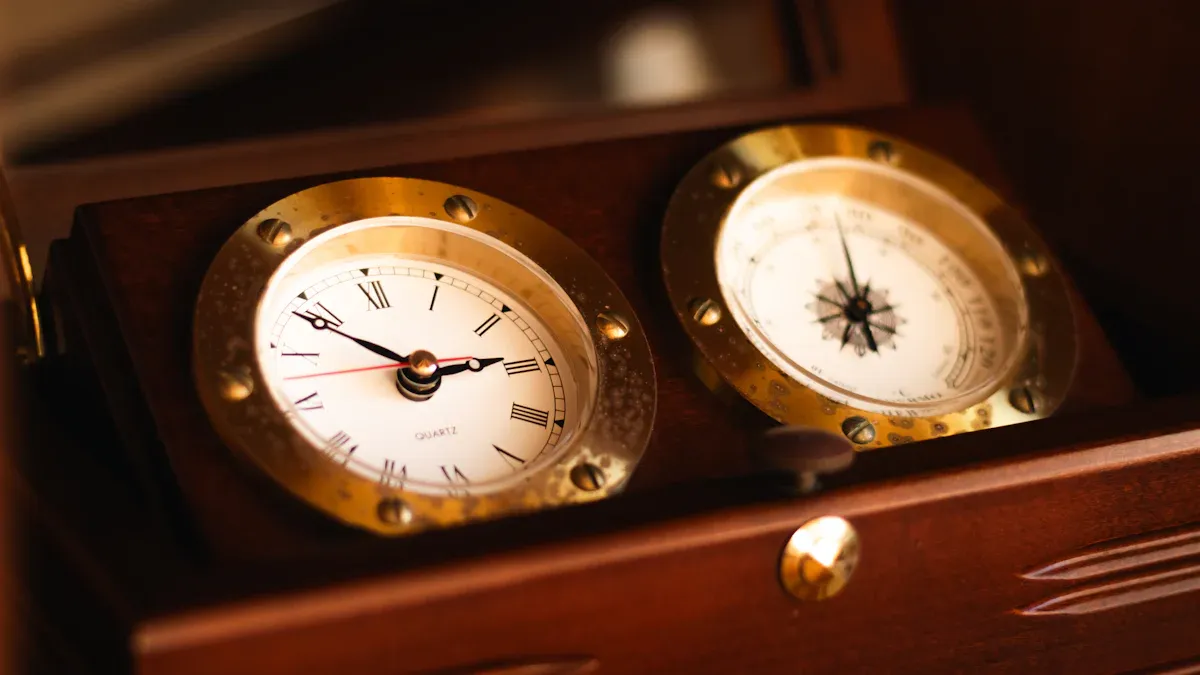
You need marine clocks to know the right time at sea. These clocks are not like the ones at home or school. Marine clocks work well even when it is hot, cold, or wet. They also keep working when the ship moves a lot. Good timekeeping is important for safe travel on water.
Here is a table that shows how marine clocks and standard clocks are different:
Feature | Marine Clocks | Standard Clocks |
|---|---|---|
Synchronization | Master and Slave system | Operate independently |
Timekeeping Mechanism | Main Oscillation PCB for all clocks | Individual quartz crystals |
Time Adjustment | Uses Advance and Retard contacts | Manual adjustment for each clock |
Pulse Generation | Single PCB generates pulses for all clocks | Each clock has its own microchip |
Second Hand Pulse Rate | Clocks with second hands receive pulses every 0.5 seconds | Typically receive pulses every second |
Marine clocks are made from strong materials and use special parts. Many have waterproof cases and smooth moving pieces. Some use ball-race and jewels to keep time better. You can pick styles that match your ship. These things help marine clocks work, even if the ship rocks or the weather changes fast.
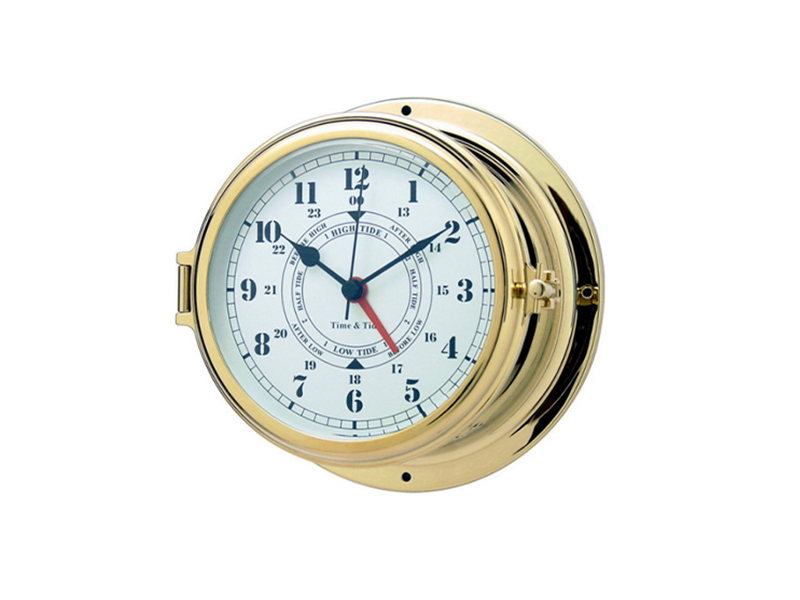
Ships use many kinds of marine clocks. Some have gears and springs, while others use quartz. The marine chronometer is very good at keeping time, even in rough seas or when you cross time zones. Tide clocks use quartz to show the tides, turning once every 12 hours.
Tip: Marine clocks can handle temperature changes of 2–3 °C and humidity swings of 4–5% in one day. They keep working even if the ship shakes or moves.
Barometers Explained
Barometers help you know what the weather will be like at sea. They measure air pressure. If the pressure goes down, a storm may come. If it goes up, the weather should be calm. This helps you plan your trip and stay safe.
Marine barometers are not the same as land barometers. They are made to last in tough sea weather. Most use brass and rubber seals to keep out salt and water. These barometers do not rust or break from sea air.
Marine barometers last longer than land barometers.
They use strong metals like brass and stainless steel.
They have seals to block salt and water.
A marine barometer gives you air pressure updates right away. You can use this to make quick choices about your trip. Barometers are important tools that help you stay safe at sea.
How They Work
Marine Clock Mechanisms
Marine clocks help you know the right time at sea. They keep working even when the water is rough. These clocks have special parts to stay exact. Many use jewel bearings made from hard stones like ruby or sapphire. These stones make the clock last longer by lowering friction. Gimbals hold the clock steady, so it stays level if the ship rocks. Maintaining power means the clock keeps running while you wind it. This way, you do not lose time. Temperature compensation uses materials that do not change with heat or cold. This helps the clock stay correct.
Here is a table that shows how these parts work:
Mechanism | Description |
|---|---|
Jewel Bearings | Hard stones like ruby and sapphire reduce friction and wear on pivots and escapement. |
Gimbals | Pivoting supports that keep the chronometer level despite the ship's motion. |
Maintaining Power | Keeps the chronometer running while being wound, ensuring continuous operation. |
Temperature Compensation | Materials used in construction resist temperature fluctuations, enhancing precision. |
You will see balance wheels and springs instead of pendulums. These parts help the clock keep time, even if the ship moves a lot. Strong wooden boxes keep the clock safe from water. Using materials that do not change with temperature makes marine clocks good for long trips.
The clocks kept working well, even when the temperature changed by 2–3 °C and humidity changed by 4%–5%. This shows marine clocks can handle tough sea conditions.
Barometer Mechanisms
A barometer helps you know the air pressure and guess the weather. On ships, there are two main types: aneroid and mercury. Aneroid barometers have a vacuum chamber inside. When air pressure changes, the chamber gets bigger or smaller. This tells you if the weather will get better or worse. Mercury barometers use a tube with mercury inside. Air pressure pushes on the mercury, and the height shows the pressure.
Here is a table that explains the main types:
Type of Barometer | Mechanism Description |
|---|---|
Aneroid Barometer | Operates through air pressure exerting force on a vacuum chamber. |
Mercury Barometer | Uses air pressure to exert force on a column of mercury instead of a vacuum chamber. |
Aneroid barometers are used more on ships today. They are strong and easy to move. Mercury barometers were used more in the past because they are simple and work well. Both types help you stay safe by warning you about storms or calm weather.
Types of Marine Clocks and Barometers
Chronometers and Quartz Clocks
Most ships have two main types of clocks. These are marine chronometers and quartz clocks. Marine chronometers are very exact. You use them when you need the best time for travel. These clocks have a spring inside that you wind with a key. They are often put on gimbals. Gimbals keep the clock flat, even if the ship moves. Marine chronometers are tested to make sure they work well in hard weather. You can count on these clocks for important jobs.
Quartz clocks use batteries and a quartz crystal to keep time. These clocks are easier to take care of and cost less money. Many new ships use quartz clocks. They do not have the long history of marine chronometers. But they still help you know the time on the ship. Quartz clocks are made to work well, not just to look nice.
Here is a table to compare marine chronometers and quartz clocks:
Feature | Chronometers | Quartz Marine Clocks |
|---|---|---|
Precision | Highly accurate, certified by independent agencies | Generally less precise than chronometers |
Mechanism | Key-wound, spring-driven | Battery-powered quartz movement |
Historical Significance | Developed for navigation in the 18th Century | Modern technology, less historical context |
Testing Standards | Subjected to rigorous chronometer competitions | Typically not subjected to such rigorous testing |
Design | Often mounted on gimbals for stability at sea | Standard clock design, less focus on aesthetics |
You use marine chronometers when you need the most exact time. Quartz clocks are good for everyday use on the ship.
Aneroid and Mercury Barometers
There are two main types of barometers on ships. These are aneroid and mercury barometers. Aneroid barometers have a small vacuum chamber inside. They measure air pressure without using liquid. These barometers are strong and do not break easily. They do not need much care. Aneroid barometers can be very exact, sometimes as close as 0.07% of the real number.
Mercury barometers use a glass tube with mercury inside. The mercury shows the air pressure. These barometers are very exact. You must be careful with mercury barometers. Mercury is poisonous and the glass can break. Most ships now use aneroid barometers because they are safer and easier to use.
Here is a table to show the differences:
Barometer Type | Accuracy | Maintenance Requirements |
|---|---|---|
Mercury Barometer | High accuracy, dependent on height measurement, density, and vapor pressure of mercury | Requires careful handling due to toxicity and fragility; impractical for many applications |
Aneroid Barometer | Varies widely, can be as accurate as 0.07% of reading | Generally lower maintenance; less fragile than mercury barometers |
Most ships use aneroid barometers with their clocks today. These tools help you know the weather and stay safe at sea.
Importance for Navigation and Safety
Navigation Accuracy
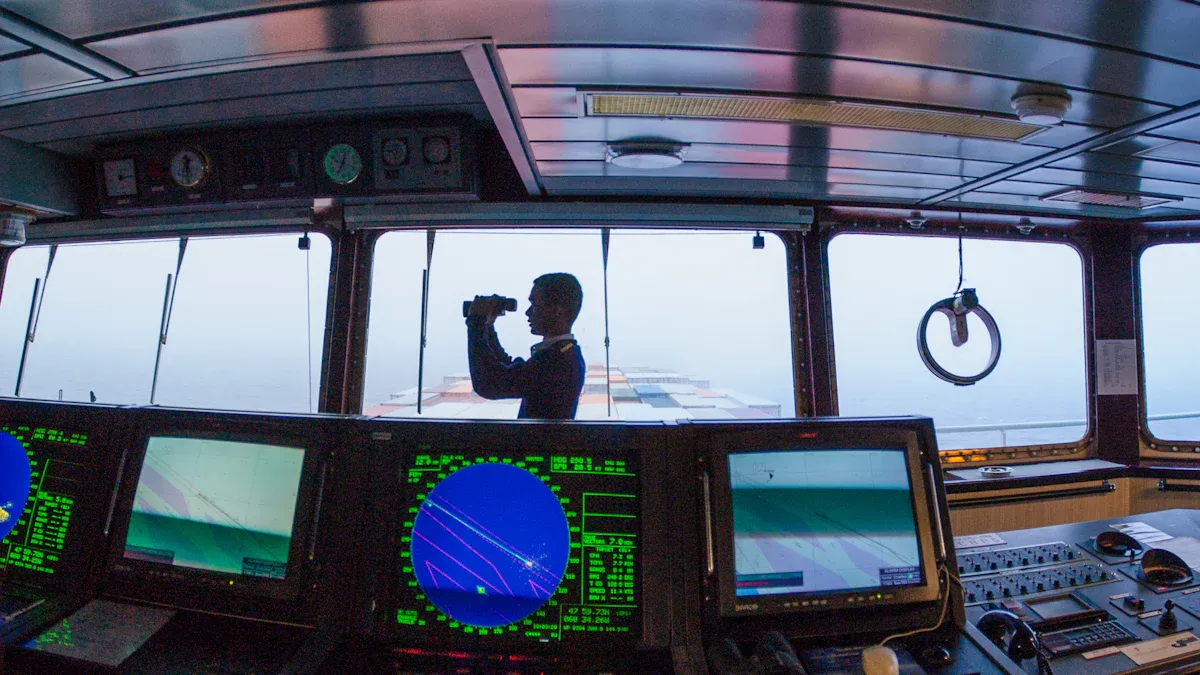
You need marine clocks and barometers to travel safely on the ocean. Marine chronometers help you know where your ship is. You check the time on your ship and compare it to the time at a place like Greenwich Observatory. This helps you figure out your longitude. Longitude tells you how far east or west you are. Latitude shows how far north or south you are. You must know both to avoid getting lost. If your marine chronometer is not exact, you cannot find longitude.
The marine chronometer helped sailors solve the longitude problem. John Harrison was an English clockmaker who worked hard to make a clock that stayed accurate at sea. He made the H1, H2, H3, and H4 chronometers. These clocks changed navigation. They kept good time even when the ship moved or the weather was bad. Sailors used these clocks to check the time on their ship and compare it to the time at Greenwich Observatory. This let them find their longitude and stay safe.
You use marine clocks to keep time on long trips. Chronometers help you avoid mistakes that could cause shipwrecks. When you know your longitude, you can plan your trip and make safe choices. Marine clocks and barometers work together to keep you safe and on track.
Weather Prediction
You need to know the weather before you leave the dock. Marine clocks and barometers help you see if the weather will change. Barometers measure air pressure and warn you about storms or calm seas. You watch the barometer for fast drops in pressure. This means a storm might come soon. You use marine chronometers to time weather changes and write down what happens.
Here is a table that shows how barometers help you see bad weather:
Rate of Change | Weather Implication |
|---|---|
Slow changes (1-2 mb/3 hours) | Normal weather progression |
Moderate changes (2-3 mb/3 hours) | Weather system approaching |
Rapid changes (4+ mb/3 hours) | Severe weather possible |
You look for these clues:
If pressure rises slowly, the weather should get better.
If pressure falls slowly, the weather may get worse.
If pressure falls fast, a storm could be coming.
A big drop in air pressure means a low-pressure system is near. You can expect clouds, rain, or strong wind. You use this information to get your ship ready and keep your crew safe. Marine clocks and barometers help you make smart choices and protect everyone.
Historical Impact
Marine clocks and barometers changed the history of sailing. Before marine chronometers, sailors could not find longitude. Many ships got lost or crashed because they did not know where they were. The invention of chronometers fixed this problem. John Harrison’s H4 chronometer helped sailors find longitude and avoid danger. Chronometers let people explore new places and trade safely.
When marine chronometers like Harrison's H4 were used, sailors could find their position and avoid shipwrecks. Chronometers made navigation safer and helped with exploring new lands.
Barometers also helped keep sailors safe. If sailors saw the barometer drop fast, they knew a storm was coming. They could get ready and stay safe. Barometers help you see the weather and protect your ship.
Over time, marine clocks and barometers got better. In the 18th century, marine chronometers helped sailors find longitude. In the 20th century, digital barometers made it easy to check air pressure. Now, you use electronic sensors for real-time data and better weather forecasts.
Time Period | Advancement | Description |
|---|---|---|
20th Century | Digital Barometers | Electronic sensors made it easy to measure air pressure and use the data. |
18th Century | Marine Chronometers | Sailors could find longitude by comparing their time to a known place. |
You use digital barometers to forecast weather and do research. You can connect them to computers to save and study data. Marine clocks and barometers still help you travel safely and explore new places.
Marine clocks and barometers are still very important for safety at sea. You need chronometers to find longitude and stay safe. You use barometers to see if bad weather is coming and protect your ship. These tools changed history and still help you today.
Practical Insights and Product Selection
Maintenance Tips
You want your marine clocks to work well for years. Taking care of them helps you avoid trouble at sea. Here are some easy tips you can use:
Take apart, clean, and oil your clocks when you get them, unless they are new or already on a service plan.
Oil your clocks every three years, or sooner if they do not run smoothly.
Take apart and clean your clocks every nine to twelve years, or sooner if you see any damage.
These steps help your marine clocks stay correct and dependable. Regular care also keeps your clocks looking nice and ready for each trip.
Choosing Marine Clocks and Barometers
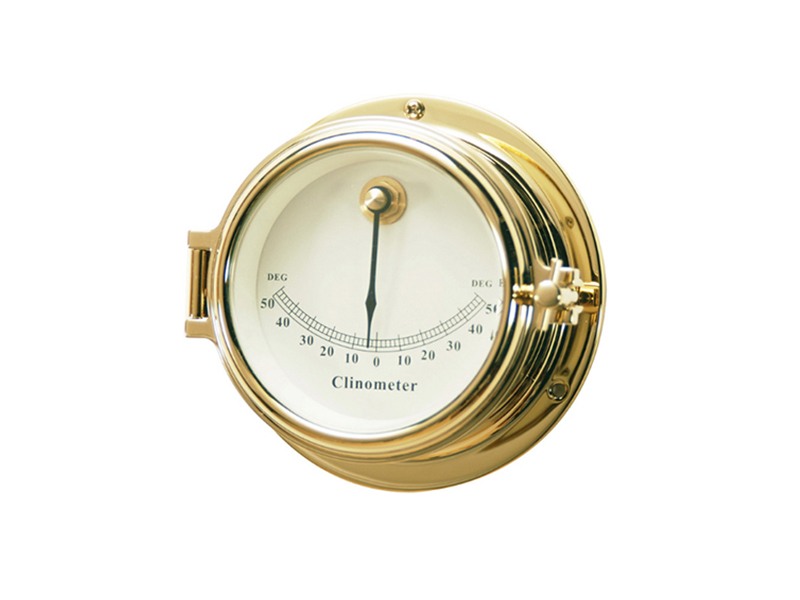
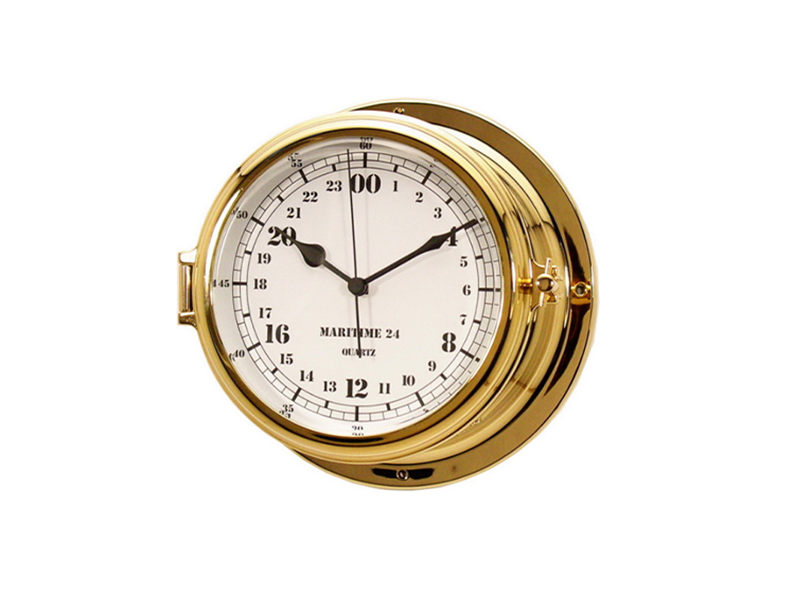
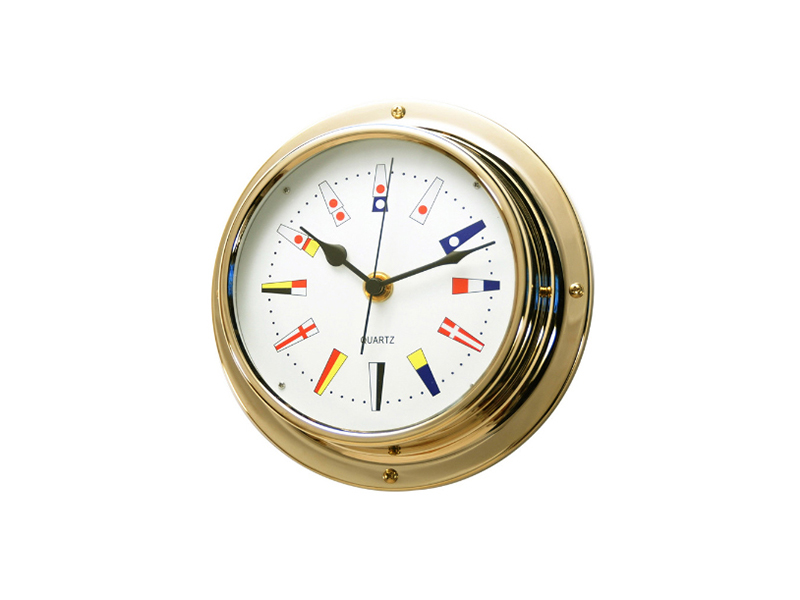
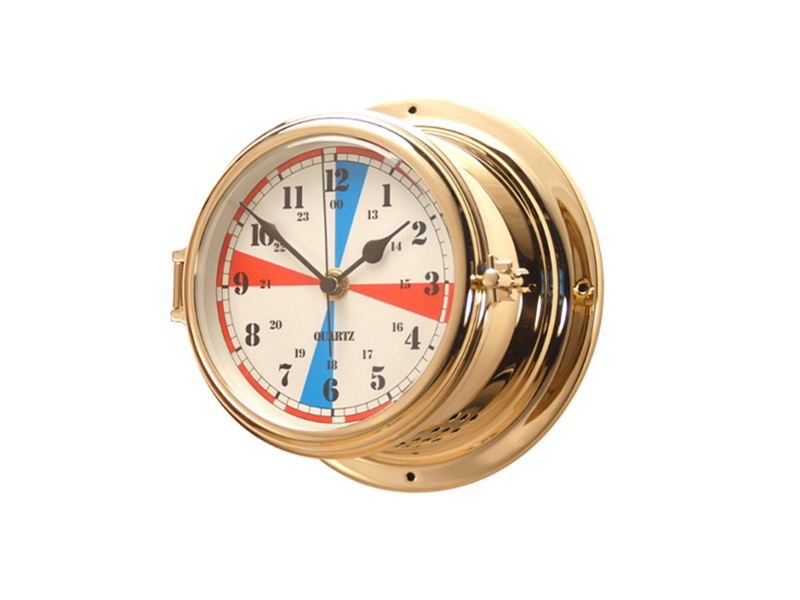
When you pick marine clocks and barometers, you want tools that work well. The Nautical Clock & Barometer from Changzhou KB Instruments & Meter is special for many reasons. You get a product that mixes classic looks with new technology.
Feature | Description |
|---|---|
Tarnishproof | Stays shiny and new, even in rough outdoor weather. |
Weatherproof | Has a silicone O-ring for splash safety; some are fully waterproof. |
Turn-Lock Mounting System | Lets you lock and take off your clocks easily, with shock protection for extra safety. |
Advanced Surface Treatment | Uses PVD-Coating with Zirconium Nitride for strong rust resistance and long-lasting quality. |
You can count on these marine clocks to last and keep good time. You can also ask for special sizes, logos, or features to fit what you need. The clocks have important certifications:
Certification | Impact on Reliability |
|---|---|
CE | Meets safety rules, so you can trust the product. |
ISO | Follows strict quality rules, giving you the same high quality every time. |
You get fast worldwide delivery because the company has a strong supply chain. Your clocks come on time and in good condition. You also get full help after you buy, including warranty and technical support. All orders ship everywhere, and making customers happy is most important.
Tip: Pick marine clocks and barometers that are both stylish and strong. This way, you stay safe and feel calm on every trip.
You need marine clocks and barometers to keep your ship safe. These tools help you know where you are and avoid storms. They work even when new technology comes out. You can find them as old-fashioned or digital devices. Newer ones can connect to navigation systems and show weather right away.
Feature | Benefit |
|---|---|
Accuracy | Helps you travel safely and know the weather |
Long-term reliability | Needs less fixing and gives you peace of mind |
People use these tools for both old ways and new ideas.
Some new models have digital sensors and use artificial intelligence.
In the future, these tools will get smarter, work better, and help the planet.
Marine clocks and barometers are always important for sea trips, even if your ship uses the newest technology.
FAQ
What makes a marine clock different from a regular clock?
You use a marine clock because it resists water, salt, and shock. It stays accurate even when your ship moves. Regular clocks do not handle these tough conditions.
How do you read a marine barometer?
You check the needle on the dial. If the pressure drops, you prepare for bad weather. If the pressure rises, you expect calm weather. Always watch for fast changes.
Can you use a marine clock at home?
Yes, you can use a marine clock at home or in your office. It adds a nautical style and gives you reliable time. Many people like the classic look.
How often should you maintain your marine clock and barometer?
You should oil your clock every three years. Clean and check both tools every nine to twelve years. Regular care keeps them working well.
Are Changzhou KB Nautical Clocks and Barometers customizable?
You can customize size, logo, and features. The company offers OEM and ODM services. You get products that fit your needs and style.
I want to comment

Recent News
1.The principle of Nautical Quartz Clock
2021-05-262.Application of nautical Thermometer
2021-05-033.The working principle of Nautical Quartz Clock
2020-09-084.How much air pressure does 60 psi pressure gauge represent?
2026-02-095.Commercial Pressure Gauge Common Faults and Solutions
2020-08-066.Application of Oil and Gas Pressure Sensor in Pipeline
2020-08-01




View More(Total0)Comment lists