

A guide to choosing the right nautical barometer for your needs
 Jul 02, 2026|
 View:427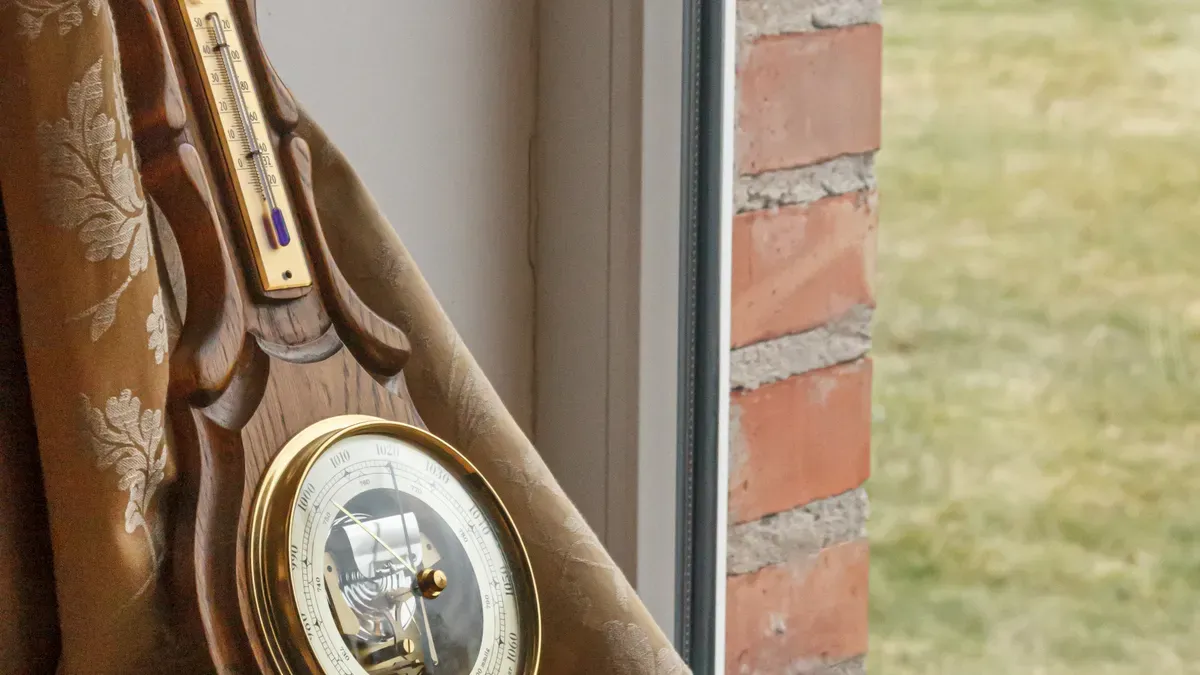
When you pick a nautical barometer, think about your boat and what you need. Choose a nautical barometer that is tough and gives correct readings. Customization lets you match the barometer to your style and boat needs. Think about how it looks and if it is simple to use. The best barometer has good features and fits your space well.
Key Takeaways
Pick a nautical barometer that matches your boat and how you use it. Think about the size. Make sure it is strong. It should be easy to read.
Make sure the readings are correct. A good barometer should be right within ±0.5 hPa. This helps you know when the weather will change.
Choose materials that do not rust, like stainless steel or marine-grade chrome. This helps your barometer last in tough weather.
Check and take care of your barometer often. Cleaning and calibration keep it working well. This makes sailing safer.
Learn how to read your barometer. Watching pressure changes can tell you if a storm or calm weather is coming.
Key Factors in Choosing a Barometer
Vessel Type and Usage
Think about your boat before picking a barometer. A small sailboat needs something different than a big yacht or fishing boat. If you stay close to shore, you may want a barometer that is easy to carry and read. For long trips on the ocean, you need one that can handle rough weather and saltwater.
How you use your boat matters too. If you only take short trips, you do not need many features. If you go far from land, you need a barometer that gives good readings. This helps you see when the weather might change. It keeps you safe. Picking a barometer that fits your boat and how you use it makes trips better and safer.
Essential Features: Accuracy, Durability, Ease of Use
Always check if the barometer is accurate before buying. Good marine barometers are usually right within ±0.5 hPa. Some can even show very small changes, like 0.01 hPa. This helps you watch the pressure and guess the weather. Boaters use these numbers to make smart choices.
Durability is also important. Saltwater, wet air, and sun can hurt weak tools. Pick a barometer made from strong stuff like brass or tough alloys. These last longer and do not rust as fast.
It should be easy to use, especially for new boaters. Many digital barometers show data right away and can connect to computers. This helps people who are not used to weather tools. Simple dials and clear marks make it easy to read the pressure.
Tip: Think about how much you want to spend. Prices change with accuracy, style, and extra features. Make sure the barometer works for you and your boat.
Getting a barometer that is accurate, strong, and simple to use will help you stay safe and have fun on the water.
What Is a Nautical Barometer?
Marine Barometer Basics
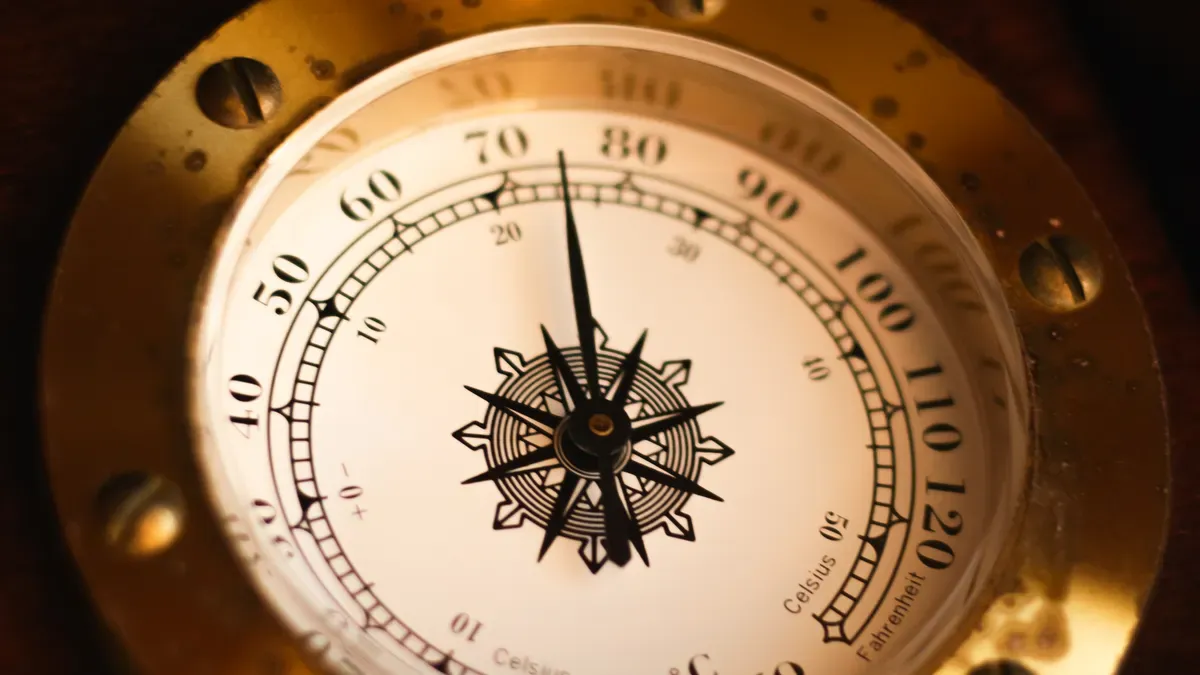
A nautical barometer checks air pressure on your boat. This tool helps you know when the weather might change. Air pressure is important for weather. When you look at the barometer, you see if pressure is rising or falling. There are two main kinds of barometers: mercury and aneroid. Mercury barometers use liquid to show changes in pressure. Aneroid barometers have a metal part that moves with the air pressure. Aneroid barometers react fast, so you see changes quickly. Mercury barometers are more exact, but they are harder to use on boats because they need careful handling.
Note: You do not need power or anything extra to use a nautical barometer. This makes it a good tool for trips.
You can put a barometer in your cabin or cockpit. Pick a place where you can see it easily. Many sailors use a barometer to help guess the weather because it gives clear signs when things are changing.
Importance for Weather Forecasting
A nautical barometer helps you know what the weather will do. Checking air pressure helps you guess if storms or calm weather are coming. If the barometer drops, a storm could be near. If the pressure goes up, better weather is coming. This helps you plan your trip and stay safe. You make choices based on what the barometer tells you.
Barometers are very important for weather forecasts. Other tools like thermometers and hygrometers help too, but the barometer gives the best warning for sudden weather changes. You can trust the barometer to warn you before bad weather comes. Learning how to read the barometer helps you become a better sailor.
Tip: Check the barometer often. If the pressure drops fast, get ready for rough weather.
Comprehensive Guide to Choosing a Nautical Barometer
Identifying Your Needs
First, think about what you need before picking a nautical barometer. Ask yourself where you will use it. If you sail in salty water, you need a tool that fights rust. If you want to watch the weather for safety, you need a barometer that is very accurate. You also decide if you like a classic look or a modern style. Some barometers are good for small boats. Others are better for big boats.
Check if the barometer is simple to read and use. You want a device that does not need outside power or extra help. This makes it good for long trips. Look for strong materials and a design that lasts a long time. Think about how you will put it on your boat. Some barometers hang on walls. Others sit on tables. Pick what fits your space and your daily routine.
Tip: Write down your main needs. This helps you compare choices and find the best nautical barometer for your boat.
Types of Nautical Barometers
There are three main types of barometers for boats. Each type works in its own way and fits different needs. Here is a table that shows how each one works:
Type of Barometer | Mechanism Description |
|---|---|
Mercury Barometer | Uses a glass tube with mercury. Pressure changes make the mercury rise or fall. |
Aneroid Barometer | Has a metal chamber that expands and contracts with air pressure. No liquid needed. |
Digital Barometer | Uses electronic sensors to measure pressure. Shows readings on a digital display. |
Mercury barometers have been used for a long time and are very accurate. Aneroid barometers are easy to carry and last a long time. Many sailors pick them for their boats. Digital barometers use new technology and give fast, clear readings. Pick the type that matches your needs and your boat.
Mercury barometers are good for people who want tradition and accuracy.
Aneroid barometers are best for boaters who want something strong and easy to use.
Digital barometers help you get quick and clear numbers.
Use this guide to learn about the types of barometers and pick the one that fits your style and needs.
Comparing Features: Corrosion Resistance, Readability, Mounting
Compare features to make sure your nautical barometer lasts on your boat. Corrosion resistance is very important. Saltwater can hurt weak materials. Look for brass, stainless steel, or marine-grade chrome plating. These materials keep your barometer safe and help it last longer.
Here is a table that shows how different materials fight rust:
Material Type | Corrosion Resistance | Impact on Lifespan |
|---|---|---|
Brass | Moderate | Can degrade over time in marine settings |
Stainless Steel | High | Excellent durability and longevity |
Marine-grade Chrome Plating | Very High | Optimal protection against saltwater |
Next, check if you can read the barometer easily. You want a clear dial or a digital screen. Big numbers and simple scales help you see the pressure fast. Look at how you will put the barometer on your boat. Wall-mounted barometers save space and stay in place. Tabletop models let you move the barometer when you need to.
Pick a nautical barometer that does not need outside power. This makes it work even if you lose power or face bad weather. Trust your barometer to help you on every trip. Use this guide to compare features and pick the best tool for your boat.
Note: Choose a barometer with strong materials and clear displays. This helps you get good readings and keeps your device working for many years.
Best Barometers for Marine Use
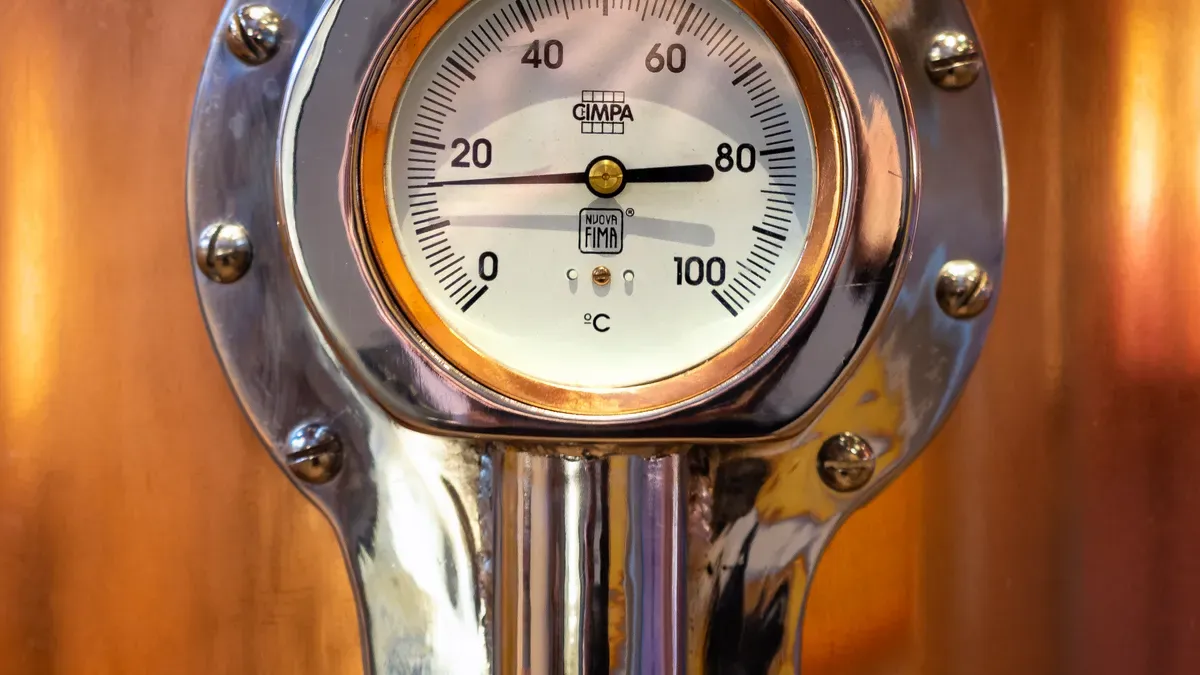
KB Instruments & Meter Nautical Barometer Overview
You need a barometer that works well on boats. KB Instruments & Meter makes a barometer with a classic look and modern parts. The case is made from brass and strong alloys. Skilled workers polish each barometer until it shines. The plating stops rust and does not fade, so you do not have to clean it much. The sensor shows air pressure right away. This barometer keeps out water and dust, so it is great for marine use.
Feature | Description |
|---|---|
Materials | Forged brass, 316L stainless steel |
Design | Traditional nautical look with modern manufacturing |
Construction | Solid brass case, hand-polished |
Corrosion Resistance | Ultra-hard plating, maintenance-free, never tarnishes |
Functionality | Precision mechanical sensor, real-time monitoring |
Protection | IP65 waterproof and dustproof |
This barometer gives correct readings and lasts a long time. Many sailors say it is one of the best for boats.
Customization Options and Warranty
You can change your KB Instruments & Meter barometer to fit your boat. Pick the dial size and case style you like. You can add a thermometer or choose special packaging. You only need to buy one barometer at a time. The warranty covers the movement for two years and the finish for ten years.
Customization Options | Warranty Terms |
|---|---|
Packaging | 2-Year Movement |
Dial Size | 10-Year Finish |
Case Style | Minimum Order: 1 |
Thermometer Option |
Tip: Changing your barometer lets you get what you want and makes sure it fits your boat.
Other Recommended Models and Brands
You have lots of choices for good barometers. KB Instruments & Meter is known for being accurate and strong. Other brands like Ashcroft, WIKA, and Omega also make tough marine barometers. These brands build their products to handle rough weather and give correct numbers. KB Instruments & Meter matches these brands by offering high quality and lasting performance.
Note: Always check features and warranties before you pick a barometer. Find models that fit your needs and protect against bad marine weather.
How to Read a Barometer and Maintain It
Reading Barometer Measurements
Learning to read a barometer helps you stay safe. You should check the readings often to see weather changes. Here are steps to get good readings:
Set your station elevation in the barometer or app. This helps you get sea level pressure.
Save the sea level pressure, latitude, longitude, and UTC time. This lets you compare readings later.
Write down the pressure at certain times, like 00, 06, 12, and 18 UTC. This helps you understand the readings and forecast the weather.
Choose the right units for elevation and pressure. Use feet or meters for elevation. Use millibars or hectoPascals for pressure.
Change the sensor offset if your barometer is different from a certified one.
Watch for pressure changes. Checking the readings often helps you see patterns and make smart choices. Watching pressure trends is important for safety and forecasting.
Tip: Knowing barometer readings can warn you about storms or calm weather. Always check the readings before you leave.
Calibration and Adjustment
You need to keep your barometer accurate. Calibration makes sure your readings are correct. For aneroid barometers, turn the screw on the back if the readings are wrong. Compare your barometer with a trusted source, like a weather station. For digital barometers, check the settings and update the software if needed. Watch your barometer after each change to trust the readings.
Maintenance Tips for Longevity
Taking care of your barometer helps it last longer. Here are some tips:
Look for air bubbles in mercury barometers. Air bubbles can change the readings.
Calibrate aneroid barometers sometimes. This keeps the readings right.
Keep digital barometers clean and dry. Dust and water can hurt the sensors.
Put your barometer away from sunlight and strong shaking. This keeps the readings safe.
Regular checks and care help your barometer work well. Good maintenance means you can trust your barometer for safe trips.
You can pick the best nautical barometer by looking at what your boat needs. Make sure it is strong, gives correct numbers, and lets you change some parts. Barometers made from tough materials last longer and stay accurate. If you keep the calibration steady, it will work well for a long time. Look at this table to see how being strong helps your barometer last:
Feature | Benefit |
|---|---|
Calibration Stability | Keeps readings accurate longer |
Environmental Sensitivity | Works well in tough conditions |
Market Demand | Stays valuable for many uses |
Check out the best models and take care of your barometer so it works well every time.
FAQ
How do you install a nautical barometer on your boat?
Put the barometer on a flat spot in your cabin or cockpit. Use the screws that come with it. Do not place it in sunlight or where it shakes a lot. Read the instructions to get the best results.
What is the best way to clean your barometer?
Wipe the case and dial with a soft, dry cloth. Do not use water or strong chemicals. Clean gently so the finish stays nice and the readings stay clear.
How often should you calibrate your nautical barometer?
Check the calibration every few months. Compare your readings with a trusted weather station. Adjust the barometer if the numbers are not the same.
Can you use a nautical barometer for weather forecasting?
Yes, you can use it to watch air pressure changes. If the pressure drops, bad weather may come soon. If the pressure rises, clear skies are likely. Check your barometer often to stay safe.

I want to comment
Recent News
1.Fire Extinguisher Gauge Trends Shaping Safety Equipment in 2026
2026-06-092.What Is a Pressure Gauge for a Medical Device?
2026-05-183.How to Choose the Best Marine Clocks and Barometers for Your Boat
2026-05-184.Are Oil-Filled Pressure Gauges Better? A Complete 2026 Comparison Guide for Industrial Buyers
2026-05-075.How to Choose the Right Pressure Gauge Supplier for Your Needs
2026-03-106.Oil Filled Pressure Gauge Pros and Cons Explained Simply
2026-03-26




View More(Total0)Comment lists