



Pressure Gauges Used in Industrial Equipment: Complete Guide
 Jul 10, 2026|
 View:383
You use pressure gauges to check the force inside pipes, tanks, or machines. These tools help keep equipment safe and working well. Accurate pressure readings stop accidents and help systems run smoothly. Changzhou KB Instruments & Meter Co., Ltd sells reliable pressure gauge products and thermometers for many industries. You can trust their instruments to give exact results.
Key Takeaways
Pressure gauges help check the force inside pipes and tanks. They keep equipment safe and working well.
Check and adjust your pressure gauge often. This stops accidents and saves money on repairs.
Pick the right pressure gauge for your job. Use Bourdon tube gauges for gases. Use diaphragm gauges for liquids.
Know about accuracy classes and pressure ranges. This helps you choose a gauge that fits your system.
Use liquid-filled gauges where there is a lot of shaking. They give steady readings and last longer.
Pressure Measurement in Industrial Equipment

What Is a Pressure Gauge?
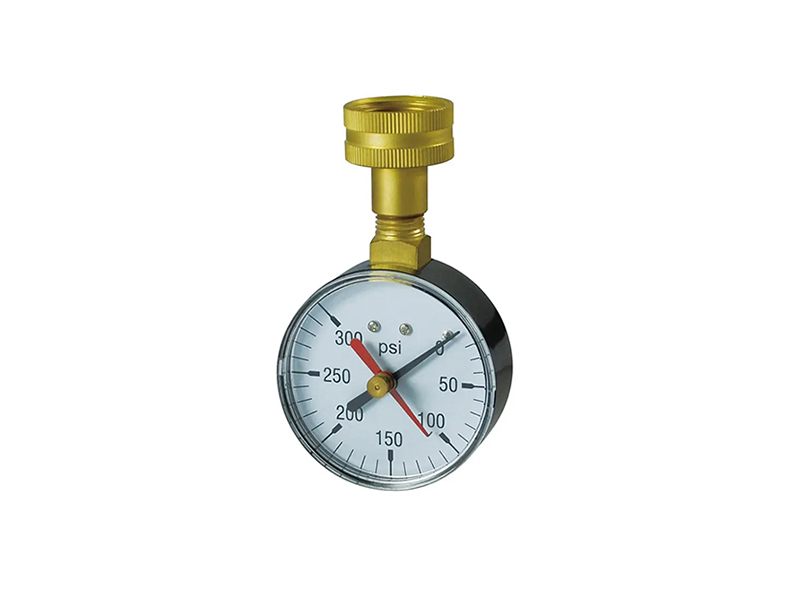
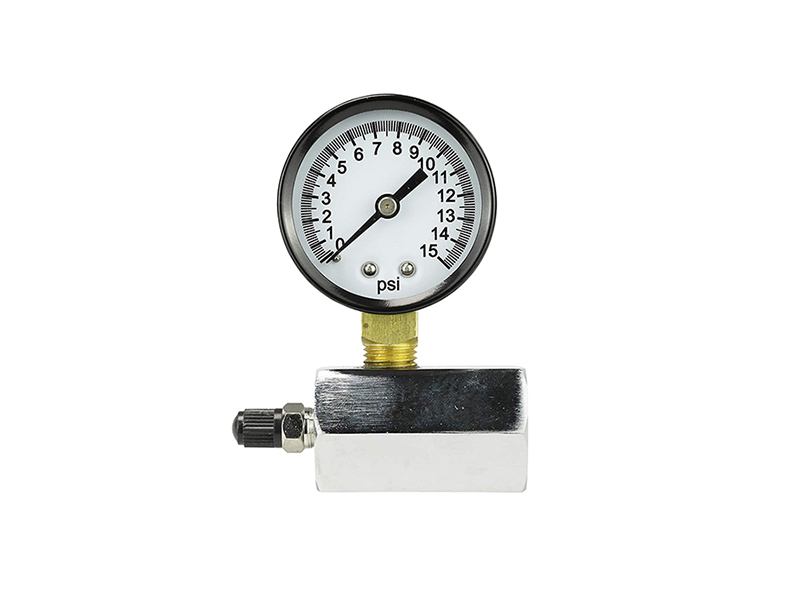
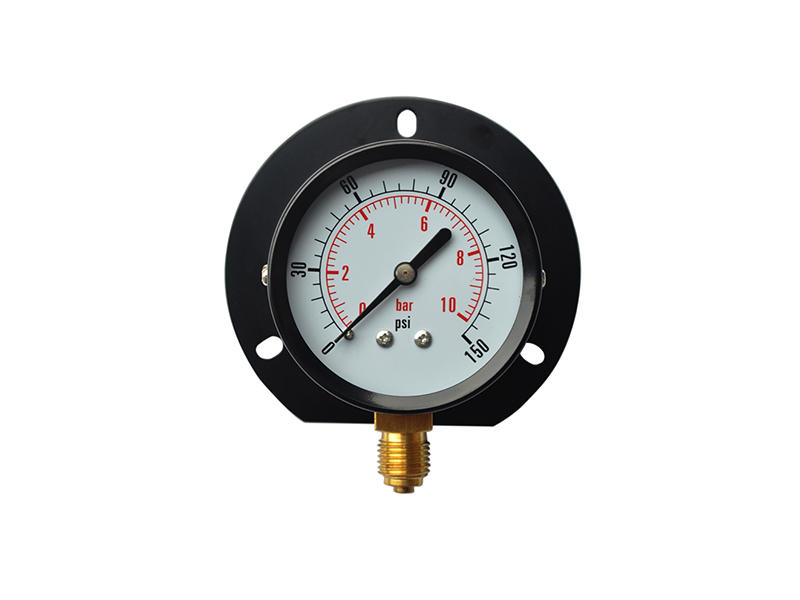
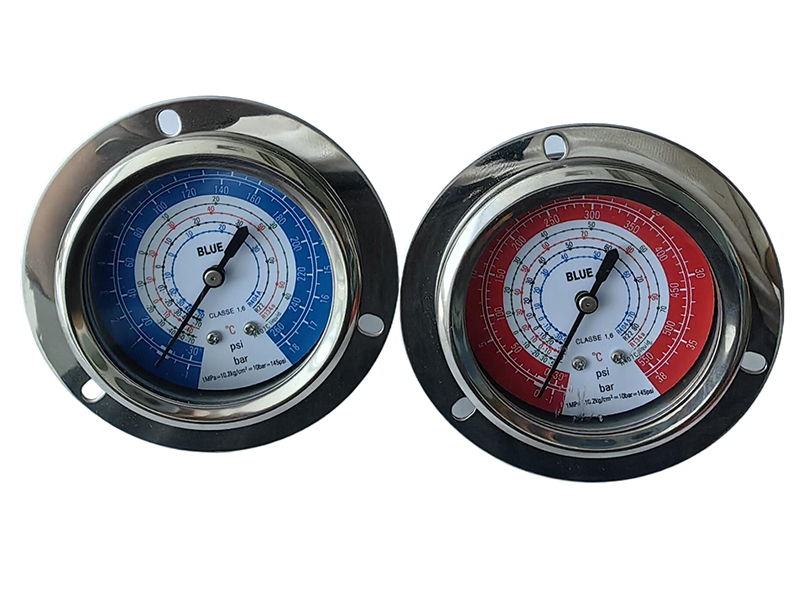
A pressure gauge checks how much force is inside a system. It measures gas or liquid pressure. This tool helps you know if the pressure is safe. Most gauges have a dial or a digital screen. The screen shows the pressure number. You see pressure gauges in factories, ships, and hospitals. The gauge helps you make sure pumps, valves, and tanks work right. Using a pressure gauge keeps your equipment safe and working well.
Changzhou KB Instruments & Meter Co., Ltd has many types of pressure gauges. They sell standard liquid fillable gauges, electric contact gauges, and high-pressure gauges. Their instruments give you correct readings in many places.
Importance of Pressure Gauges
Pressure gauges are very important in industrial systems. You need to measure pressure correctly to keep equipment safe. Good pressure readings help your process stay steady. Watching the pressure stops accidents and keeps workers safe.
Tip: Check your pressure gauge often. This helps you find problems early and saves money on repairs.
Pressure measurement helps your work in many ways:
Good readings make your process more exact.
You lower valve hysteresis and backlash, so your system is steadier.
You get less change in product quality.
Diagnostic information helps you plan repairs and stop long breaks.
You also get help from always checking pressure:
You stop over-pressurization and keep your system safe.
Keeping the right pressure saves money and makes things work better.
Finding pressure changes early lets you fix problems before they stop your work.
Pressure gauges help you get good results in many jobs. You can count on Changzhou KB Instruments & Meter Co., Ltd for strong and accurate gauges.
Types of Pressure Gauges

Pressure gauges help you check and control pressure in many places. There are different kinds of gauges for different jobs. Each kind works best for certain tasks. Changzhou KB Instruments & Meter Co., Ltd has many gauges for factories, ships, and hospitals. You can pick the right gauge for your needs and get good results.
Bourdon Tube Pressure Gauges
Bourdon tube pressure gauges are used a lot in factories. You use them to measure pressure in gas systems. The curved tube inside the gauge gets straighter when pressure goes up. This movement shows the pressure on the dial. Bourdon tube gauges are good for regular pressure checks.
Here is a table that shows how Bourdon tube and diaphragm gauges compare:
Feature | Bourdon Tube Gauge | Diaphragm Gauge |
|---|---|---|
Primary Use | General pressure measurement | Measuring difficult media |
Media Type | Gases only | Liquids, Gases, Viscous, Slurry |
Sensing Element | Curved tube straightens under pressure | Single clamped diaphragm |
Pressure Range | Low to moderate | Low to high (10 mbar to 40 bar) |
Overpressure Safety | Moderate | Very high |
Clogging Risk | Moderate | Low |
You can use Bourdon tube gauges for jobs with steady pressure. They handle some extra pressure and work best with clean gases.
Diaphragm Pressure Gauges
Diaphragm pressure gauges use a thin sheet to sense pressure. You use them to measure liquids, gases, and thick or harsh media. The diaphragm moves when the pressure changes. This movement shows the pressure on the dial. Diaphragm gauges do not clog easily and handle sudden pressure well.
You pick diaphragm gauges for hard jobs. They work in chemical plants, water treatment, and places with dirty fluids. You get correct readings even when the media is thick or sticky.
Digital Pressure Gauges
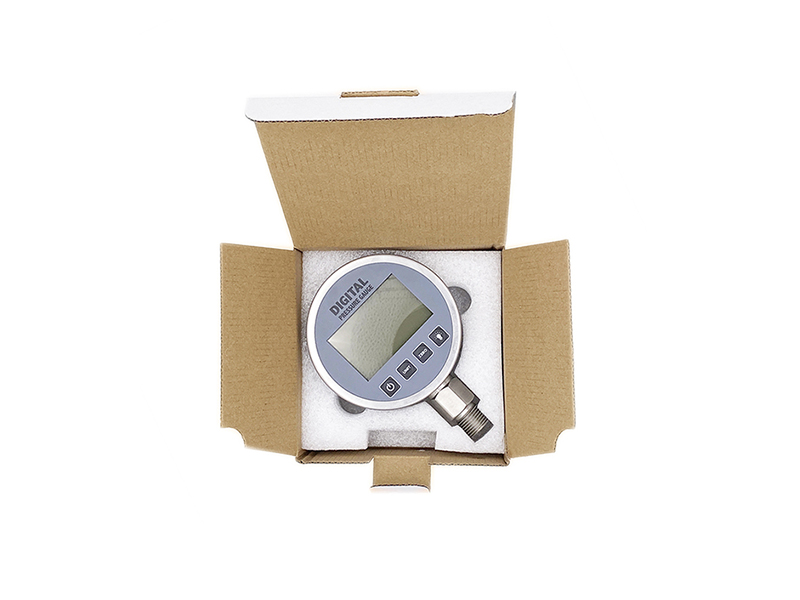
Digital pressure gauges show clear numbers on a screen. You use them for quick and exact measurements. Digital gauges display pressure in numbers, so it is easy to read. You can use them in labs, factories, and medical tools.
Digital gauges often have extra features. You can save data, set alarms, and connect to computers. You get good results even when pressure changes fast. Digital gauges help you watch systems and keep things safe.
Changzhou KB Instruments & Meter Co., Ltd has digital gauges for many uses. You can use them in ships, factories, and hospitals.
Differential Pressure Gauges
Differential pressure gauges measure the difference between two spots. You use them to check fluid flow, filter blockages, and air pressure in cleanrooms. These gauges help you keep systems working well.
Here are some common uses for differential pressure gauges:
Measuring fluid flow rate with throttling devices
Level measurement in sealed containers
Monitoring filter and screen blockages
Air pressure control in cleanrooms and HVAC systems
Monitoring furnace and flue negative pressure
Leak detection in pumps, valves, and piping
Differential pressure protection in hydraulic and pneumatic systems
You use differential gauges in filters, flow checks, HVAC systems, and liquid level checks. They help you find problems early and keep your equipment safe.
Test Pressure Gauges
Test pressure gauges help you check if other gauges are correct. You use them in labs and factories. Test gauges give you exact readings and help you keep product quality high.
Test pressure gauges are important for quality checks:
They give correct measurements to keep products good.
You can check product quality at every step.
They help find problems early, so you get fewer mistakes and better results.
Test gauges make sure things are made right.
They help you follow industry rules.
Changzhou KB Instruments & Meter Co., Ltd has many test and high-pressure gauges. You can find precision test gauges, electric contact pressure gauges, process gauges, capsule pressure gauges, and hydraulic pressure gauges. These gauges work in tough places and give you good results.
Product Type | Description |
|---|---|
PG-15 Precision Test Gauge | A precision gauge for testing pressure. |
PG-08C Electric contact pressure gauge | An electric gauge with contact functionality. |
PG-08B electric contact pressure gauge | Another variant of electric contact gauge. |
PG-06 Process Gauge | A gauge designed for process applications. |
PG-04C Capsule Pressure gauge | A capsule type gauge for measuring pressure. |
PG-04BV Capsule Pressure gauge | Another variant of capsule pressure gauge. |
PG-04B Capsule Pressure gauge | Additional capsule pressure gauge option. |
PG-04A Capsule Pressure gauge | Another option in capsule pressure gauges. |
PG-03A02 High Pressure Gauge-916"HP Male Inlet | A high-pressure gauge with a specific inlet. |
PG-03A01 High Pressure Gauge Hydraulic Pressure Gauge with Stainless Steel Case | A hydraulic pressure gauge with a durable case. |
PG-03C Oil Filled Pressure Gauges with record pointer | An oil-filled gauge with a recording feature. |
Tip: Pick the right pressure gauge for your job. You get better results and keep your equipment safe.
You can find pressure gauges for every job. Changzhou KB Instruments & Meter Co., Ltd gives you many choices for factories, ships, and hospitals. You can trust their gauges to give you correct and reliable results.
Pressure Gauge Features and Specifications
You need to know the main features before picking a pressure gauge. Each feature changes how well the gauge works and how long it lasts. Changzhou KB Instruments & Meter Co., Ltd makes gauges with strong materials and careful parts. They use strict quality rules. You get reliable gauges for many jobs.
Accuracy Classes
Gauge accuracy shows how close the reading is to the real pressure. Accuracy classes are marked as a percent of the full scale. For example, a gauge with 1% accuracy is within 1% of the highest value. You use high accuracy for important jobs like testing or calibration. Lower accuracy is fine for regular checks.
Changzhou KB Instruments & Meter Co., Ltd follows strict quality rules. Their gauges meet ISO 9001 certification and pass audits. The company checks quality with inspections, production checks, and tests. You can trust their gauges to be accurate and reliable.
Note: Always check the accuracy class before you install a gauge. This helps you pick the right gauge and keeps your system safe.
Pressure Range
You must pick the right pressure range for your system. The pressure range shows the lowest and highest values the gauge can measure. If you pick a range too close to your working pressure, you risk damage and bad readings.
The gauge range should be at least double your working pressure for best safety.
Your working pressure should stay below 75% of the gauge range.
If your system has pressure changes, keep the working pressure under 50% of the full scale.
ASME B40.100 standards say to use gauges where the working pressure is between 25% and 75% of the scale.
You protect your equipment and get better results when you follow these rules. Changzhou KB Instruments & Meter Co., Ltd has gauges with many ranges, so you can find the right one.
Wetted Materials
Wetted materials touch the process media inside your system. You must pick the right material to stop corrosion and damage. For strong chemicals, you use materials like Hastelloy, Tantalum, or Monel. Special coatings give extra protection. If your media is thick or can crystallize, you use a diaphragm seal or flush diaphragm to keep the gauge working.
Here is a table showing common wetted materials and their uses:
Material | Application |
|---|---|
316L Stainless Steel | General use in corrosive environments |
316 TI Stainless Steel | Enhanced corrosion resistance |
Hastelloy® | Strong corrosive chemicals |
Monel® | Various corrosive applications |
Inconel® | Extreme temperature processes |
Tantalum | Highly corrosive media |
Titanium | Applications needing strength |
Teflon® lining | Extra protection against corrosion |
Gold plating | Sensitive applications needing extra protection |
You get long-lasting gauges when you pick the right wetted material. Changzhou KB Instruments & Meter Co., Ltd offers gauges with many material choices for different jobs.
Process Connections
You connect the gauge to your system using process connections. The right connection makes installation easy and keeps your system safe. You see several types in industry:
Threaded connections like NPT, BSPT, BSPP, JIS, UNF, SAE, and tube stub fittings are common and easy to use.
Tri-Clamp connections work in food and drug jobs where you need clean fittings.
DIN connections are standard in chemical and drug plants in Europe.
Flanged connections fit bigger pipes and high-pressure systems like power plants.
Welded connections are permanent and used in nuclear and chemical systems.
You pick the connection type based on your system and the job. Changzhou KB Instruments & Meter Co., Ltd offers gauges with many connection options.
Liquid-Filled vs Dry Gauges
You can pick between liquid-filled and dry gauges. Each type has special benefits.
Liquid-filled gauges lower vibrations and pressure changes. You get steady readings and protect the inside parts.
The liquid helps moving parts last longer.
Liquid filling stops condensation and corrosion, so the gauge works in tough places.
You see steadier readings because the liquid absorbs shocks.
Dry gauges work well in clean and steady places. You use liquid-filled gauges in places with lots of vibration or changing pressure.
Tip: Use liquid-filled gauges for tough jobs. You get longer life and more reliable readings.
Accessories and Measuring Tools
Changzhou KB Instruments & Meter Co., Ltd has many accessories and measuring tools. You can find thermometer accessories, oil gauging tapes, and special fittings. These tools help you install, maintain, and check your gauges. You improve your system and get more accurate results.
You get strong, precise, and high-quality products from Changzhou KB Instruments & Meter Co., Ltd. The company makes gauges and tools for many jobs, including factories, ships, and hospitals. You can trust their products to meet your needs.
Industrial Pressure Gauge Safety
Overpressure Protection
Industrial pressure gauges are important for safety. Overpressure can break your gauge and harm your system. Many things cause overpressure. Sometimes gauges are used wrong or installed incorrectly. People may forget to check them. Damage can happen if pressure gets too high. Pressure spikes also cause problems. Pulsation and vibration make gauges weaker. Fatigue and wear can hurt the gauge. Picking the wrong gauge for the job is risky. Corrosion from the wrong process media is bad. Using gauges outside the right temperature can make them fail. You keep your equipment safe by picking the right gauge and checking it often.
Tip: Always use a gauge with a range higher than your normal pressure. This helps you stay safe and avoid accidents.
Environmental Factors
Temperature and humidity change how your gauge works. If it gets hotter than 150 °F, the dial may change color. The gasket can get hard. Too much heat can ruin parts and mess up calibration. High humidity makes contacts rust faster. This raises contact resistance. Rust can cause errors in low pressure readings. Corrosive gases attack seals and spring tubes. This leads to leaks or bad pressure readings. Non-liquid-filled gauges can handle up to 250 °F. Liquid-filled gauges work up to 200 °F. Gauges with welded joints can survive 750 °F for a short time.
Keep your gauge away from very hot places.
Look for signs of rust or damage.
Use explosion-proof gauges in dangerous places.
Note: Environmental conditions can change fast. You need to check your gauge often to keep it safe.
Compliance and Standards
You must follow rules to keep your gauge safe and reliable. Calibration uses ISO/IEC 17025 to show labs are good at testing. NIST traceability connects your readings to national standards. These rules help you trust your gauge and keep your system safe.
Always look for compliance labels on your gauge.
Use gauges that meet world safety standards.
Pick products from trusted companies.
Safety starts with picking the right gauge and checking it often. You protect your workers and equipment by following the rules.
Choosing the Right Pressure Gauge
Application Matching
You must pick the right gauge for your job. First, check how exact you need your readings. Some jobs need very precise numbers. Other jobs are okay with less accuracy. Think about where you will use the gauge. Hot places, wet air, or chemicals can change how the gauge works. Make sure the gauge is good for the media you want to measure. Some gauges work better with strong chemicals. Pick the right connection for your system. Different jobs use different connection types. Always check the pressure range so you do not break the gauge and get good results.
Accuracy
Environment
Media compatibility
Connections
Tip: The right gauge keeps your system safe and helps it work well.
Maintenance and Calibration
You need to take care of your gauge. Calibrating it often keeps your readings correct. How often you calibrate depends on how and where you use it. Use this table to help you decide:
Calibration Frequency | Conditions |
|---|---|
Annually | General recommendation |
Every 6 months | Tough environments or frequent use |
Quarterly | Critical applications needing high accuracy |
Check your gauge a lot. Clean it and look for damage. Change it if you see problems. Good care saves money and stops surprise breakdowns.
Common Mistakes
People sometimes make mistakes with gauges. High heat can make the pointer move wrong and bend the case. Fast pressure changes make the needle jump and mess up calibration. Blockages at the sensing point can make the gauge read zero. Using the wrong gauge wears it out and gives bad readings. Vibration makes the pointer bounce and break faster. Bad mounting makes readings wrong.
Mistake | Description |
|---|---|
Temperature Effects on Gauge Accuracy | High heat moves the pointer and bends the case. |
Pressure Pulsation and Water Hammer | Fast changes make the needle jump and mess up calibration. |
Clogging at the Sensing Point | Blockages make the gauge read zero and slow down response. |
Incorrect Gauge Selection | The wrong gauge wears out and gives bad readings. |
Vibration-Induced Pointer Fluctuations | Lots of shaking makes the pointer bounce and break. |
Poor Mounting and Orientation | Bad mounting makes readings wrong. |
Note: Picking the wrong gauge can give you bad readings, cause breakdowns, and cost more money. You keep your equipment safe and working better by avoiding these mistakes.
You make your equipment safer when you pick the right pressure gauge. Good gauges help your machines last longer and work better. Look at the table below to see the benefits:
Advantage | Description |
|---|---|
Reduced wear | Equipment lasts longer |
Higher vibration resistance | Pointer moves less |
Improved long-term accuracy | Stays accurate for a long time |
Better shock resistance | Handles sudden pressure changes |
Changzhou KB Instruments & Meter Co., Ltd gives you reliable products and help. If you want more information, check these links:
FAQ
How do you know which pressure gauge to choose?
You look at your system’s needs. Check the pressure range, accuracy, and the type of media. Pick a gauge that fits your environment and connection. Ask experts if you feel unsure.
How often should you calibrate your gauge?
You should calibrate your gauge at least once a year. If you use it in tough conditions or need high accuracy, check it more often. Regular calibration keeps your readings correct.
What makes a gauge last longer?
You keep your gauge clean. Avoid strong chemicals and high heat. Use the right gauge for your job. Check it often for damage. Good care helps your gauge work well for years.
Can you use the same gauge for gas and liquid?
You need to check the gauge type. Some gauges work for both gas and liquid. Others only fit one kind. Always read the product details before you install it.
Why does the pointer move strangely sometimes?
You may see the pointer jump if there is vibration or pressure spikes. Blockages or damage can also cause strange movement. Check your gauge and system for problems.
I want to comment
Recent News
1.Top Pressure Gauge Manufacturers in China 2027
2026-07-232.Oil Filled Pressure Gauge vs Dry Pressure Gauge: Which One Is Better?
2026-07-283.A guide to choosing the right nautical barometer for your needs
2026-07-024.Fire Extinguisher Gauge Trends Shaping Safety Equipment in 2026
2026-06-095.What Is a Pressure Gauge for a Medical Device?
2026-05-186.How to Choose the Best Marine Clocks and Barometers for Your Boat
2026-05-187.Are Oil-Filled Pressure Gauges Better? A Complete 2026 Comparison Guide for Industrial Buyers
2026-05-078.Top Pressure Gauge Suppliers in the USA for 2026
2026-04-289.Oil Filled Pressure Gauge Pros and Cons Explained Simply
2026-03-26




View More(Total0)Comment lists