



How Do You Read a Refrigerant Pressure Gauge?
 Oct 17, 2025|
 View:2353
Understanding how to read a refrigerant pressure gauge is a skill that can save you time, money, and a whole lot of frustration. Whether you're an HVAC technician or a DIY enthusiast, knowing how to properly interpret pressure readings is crucial for diagnosing issues with your cooling or heating systems. But don’t worry – it’s not as complicated as it sounds!
In this guide, we’ll break down everything you need to know, from the basics of refrigerant pressure gauges to how to use them to assess the health of your system. By the end, you'll be able to confidently read a refrigeration pressure gauge and troubleshoot like a pro.
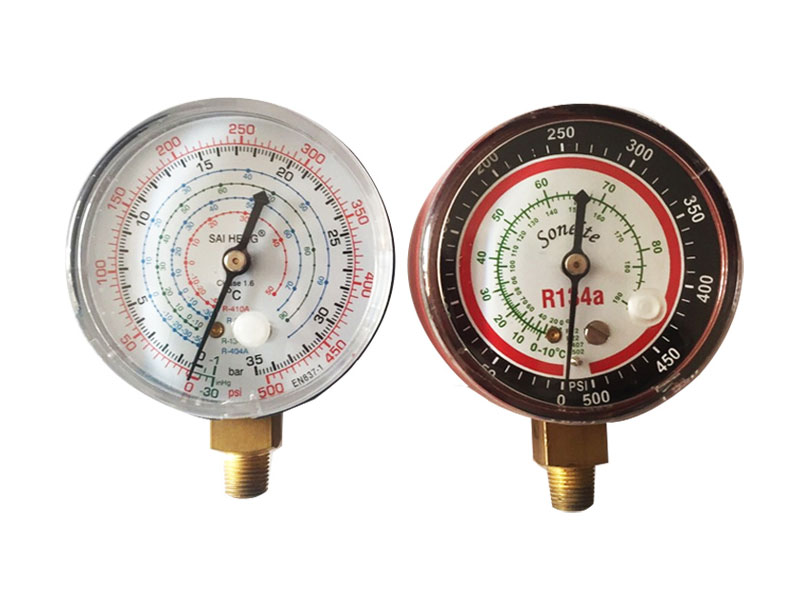
What Is a Refrigerant Pressure Gauge?
At its core, a refrigerant pressure gauge is a tool used to measure the pressure of refrigerant in a refrigeration or air conditioning system. The pressure readings provide valuable insights into the system’s operation. You’ll usually find these gauges on service valves during a routine check or when troubleshooting system performance.
There are two types of pressure gauges used in refrigeration systems: low-pressure gauges and high-pressure gauges. Each serves a different purpose and helps diagnose different aspects of system performance.
Understanding the Different Types of Refrigeration Pressure Gauges
Before diving into how to read them, let's get familiar with the types of gauges you’ll encounter:
Low-Pressure Gauges (Blue): These gauges measure the pressure in the evaporator section of the system (where the refrigerant absorbs heat). They are typically blue and are used for monitoring pressures in the suction line.
High-Pressure Gauges (Red): These measure the pressure in the condenser section of the system (where the refrigerant releases heat). These gauges are often red and are used for monitoring pressures in the discharge line.
Each gauge will display readings in pounds per square inch (psi) or other units depending on the system’s standards.
What Do the Readings on a Refrigerant Pressure Gauge Mean?
Reading a refrigerant pressure gauge might seem tricky at first, but once you understand what the numbers represent, it becomes much easier. Let’s break it down:
Low Pressure (Evaporator Side): On a typical refrigeration pressure gauge, the low-pressure side tells you how well the refrigerant is absorbing heat in the evaporator. If the pressure is too low, it could mean there isn’t enough refrigerant in the system, or the system is overcharged. If the pressure is too high, it could indicate poor airflow or a dirty evaporator coil.
High Pressure (Condenser Side): The high-pressure side shows you how well the refrigerant is releasing heat in the condenser. A high pressure reading here may suggest issues like a blocked condenser, or that the refrigerant is too hot.
What’s the Right Pressure for Your System?
Now, you may be wondering, "Okay, but what should the pressure be?" The right pressure varies depending on the type of system and the refrigerant used. For instance, R-22 and R-410A, two commonly used refrigerants, have different pressure ranges.
Here’s a rough idea of what you might expect:
R-22: Low-side pressures can range from 60 to 80 psi, and high-side pressures can range from 200 to 250 psi.
R-410A: Low-side pressures generally range from 120 to 150 psi, and high-side pressures range from 300 to 350 psi.
Always check the manufacturer’s specifications for your specific system, as pressures can vary.
Step-by-Step Guide: How to Read a Refrigerant Pressure Gauge
Reading the gauge is as easy as following these steps:
1. Connect the Pressure Gauge to the System
First, attach your refrigerant pressure gauges to the service ports of the refrigeration or air conditioning system. One gauge goes on the low side, and the other on the high side. This is usually done with hoses designed for refrigerant service.
2. Turn On the System
Power up the system, and let it run for a while. You'll want the system to be operating at normal cooling or heating conditions to get an accurate reading.
3. Read the Pressure
Once the system has been running for a few minutes, check the gauge readings. The numbers on the dial will tell you the pressure at that moment.
For the low-pressure gauge, check where the needle points. If it’s below the recommended range, you might need to add refrigerant. If it’s too high, it could mean there's a problem with airflow or a dirty filter.
For the high-pressure gauge, do the same. A high reading might indicate a clogged condenser, while a low reading could point to refrigerant undercharge or other issues in the condenser section.
4. Compare with Ideal Range
Now, compare the pressure readings to the ideal range for your specific refrigerant. If the pressures are outside the acceptable range, you’ll need to troubleshoot further. For example, if the low pressure is too high, it might indicate a dirty evaporator or insufficient airflow.
Common Issues Diagnosed with Refrigerant Pressure Gauges
A refrigerant pressure gauge isn’t just a tool to take readings; it can also help you diagnose several issues in the system. Here are a few common problems that the gauge can reveal:
1. Low Refrigerant Charge
If the low-pressure gauge shows abnormally low readings, it may be a sign that the system is low on refrigerant. This could be due to leaks, or simply because the system hasn’t been properly charged.
2. Blocked Expansion Valve
If you notice high readings on both the low and high sides, a blocked expansion valve could be to blame. This can cause refrigerant to get stuck, preventing it from circulating properly.
3. Dirty Condenser Coils
High readings on the high-pressure gauge could indicate dirty condenser coils. When coils become clogged with dirt or debris, they can’t expel heat properly, causing pressure to rise.
4. Compressor Issues
If both gauges show low pressure, you might have a compressor issue. The compressor is responsible for circulating the refrigerant throughout the system, and if it’s not working properly, the pressure readings can drop significantly.
Tips for Using a Refrigerant Pressure Gauge
While using a refrigeration pressure gauge is relatively straightforward, here are some tips to keep in mind:
Safety First: Always wear protective gear and follow safety protocols when handling refrigerant systems. Refrigerants can be dangerous if mishandled.
Double-Check Your Connections: Make sure all hoses are properly connected before taking readings. Leaks can skew results and cause harm to the environment.
Take Multiple Readings: If you're diagnosing an issue, take several readings over a period of time to ensure you’re getting an accurate picture of the system's performance.
Conclusion
Reading a refrigerant pressure gauge is one of those skills that, once mastered, can make troubleshooting HVAC systems a breeze. By following the steps above, understanding the meaning behind the numbers, and comparing your readings to ideal ranges, you'll be able to diagnose issues like a pro.




View More(Total0)Comment lists