



Oil Filled Pressure Gauge Pros and Cons Explained Simply
 Mar 26, 2026|
 View:1271
When you pick a pressure gauge, you should know the good and bad points. Oil filled pressure gauges give steady readings. They keep out dust and moisture. They work well in hard places. They last longer than dry gauges. Here is a quick look:
Advantages | Disadvantages |
|---|---|
Vibration dampening | Higher cost |
Protection from dust and moisture | Risk of liquid leakage |
Extended durability | Glycerin may thicken in cold |
Reliable performance |
Oil filled types handle shaking better than dry gauges. Dry gauges cost less. Dry gauges may not last as long. Think about where you will use it before you choose.
Key Takeaways
Oil filled pressure gauges give steady readings in tough places. This makes them great for building sites and factories. These gauges last longer than dry gauges. They protect better from dust, water, and shaking. Oil filled gauges cost more at first. But they can help you save money later. You will not need to fix or replace them as much. Very hot or cold weather can change how oil filled gauges work. Always check the weather before using them. Look at your gauges often for leaks or damage. This helps you get correct readings and stay safe.
Oil Filled Pressure Gauge Benefits

Shock Resistance
Sometimes, machines work in rough places. Oil filled pressure gauges use glycerine to help with shocks and shaking. The stainless steel case keeps the gauge safe from bumps. The oil inside works like a soft pillow. It helps the pointer stay still when things move. This makes the readings steady and easy to see. You can use these gauges on building sites, oil pipes, and big machines.
Oil filled pressure gauges are made for tough jobs. They work well where dry gauges might not.
Here is a quick comparison:
Feature | Dry Gauges | Oil-Filled Gauges |
|---|---|---|
Vibration Resistance | Sensitive to vibrations | Dampens shock and pulsations |
Durability | Prone to corrosion | Better protection against moisture, dust, and corrosive media |
Accuracy | Can be compromised by vibrations | Maintains stable, accurate readings |
Best Use | Controlled environments | Rugged applications (oil & gas, marine, construction) |
Accurate Readings
You want your gauge to show the right numbers. Oil filled pressure gauges keep the pointer from moving too much. The oil inside soaks up shaking and bumps. This stops the needle from jumping. You can read the gauge even in loud or busy places.
The oil soaks up shaking.
It helps with bumps.
It stops the needle from moving too much.
These things help you get good readings in places with lots of shaking.
Glycerine filled gauges help you avoid mistakes. You do not have to worry about wrong numbers from moving machines.
Corrosion Protection
You need a gauge that lasts in tough places. Oil filled pressure gauges have a stainless steel case and tight seal. These parts stop rust from chemicals, water, and dust. The oil inside keeps the inside parts safe.
These gauges are made for places with strong chemicals.
Some use stainless steel to stop rust from bad liquids.
The design helps them work well in places with harsh air or liquids.
The oil inside acts like a shield, keeping the inside safe from damage.
Liquid-filled gauges are good for places with lots of shaking and bad weather, so they last longer.
You can use these gauges in chemical plants, oil refineries, and on ships.
Long Service Life
You want your gauge to last a long time. Oil filled pressure gauges stay correct longer than dry ones. The oil helps the pointer stay still in places with lots of shaking. This means the gauge stays right for a long time.
Dry gauges do not have oil, so the pointer moves too much and are only good for calm places.
Liquid-filled gauges use oil to keep the pointer steady in rough places.
The oil helps the gauge last longer and work better in hard jobs like pumps and presses.
A steady pointer means you do not make mistakes or fix things for no reason.
Liquid-filled gauges are best for rough, shaky places and keep working right for longer.
Changzhou KB Instruments & Meter co.,ltd. lets you pick the size, pressure, and connection you need. You can get the right gauge for your job. The gauges have CE marks, so you know they are safe and good.
Oil filled pressure gauges give you strength, good readings, and safety. You can trust them for many years in hard jobs.
Oil Filled Pressure Gauge Drawbacks
When you look at the pros and cons of oil filled pressure gauges, you should also know about their disadvantages. These points will help you decide if this type of pressure gauge is right for you.
Temperature Limits
Oil filled pressure gauges do not work well in every temperature. If you use them in places that get very hot or very cold, you may see problems. The oil inside can get thick in cold weather. In high heat, the oil can break down or leak out. This can make the gauge less accurate.
Here is a table that shows how different gauges handle heat:
Gauge Type | Maximum Operating Temperature |
|---|---|
Non-liquid-filled gauges | 250 °F (121 °C) |
Liquid-filled gauges | 200 °F (93 °C) |
Gauges with welded joints | 750 °F (400 °C) |
Gauges with silver brazed joints | 450 °F (232 °C) for short times |
You can also see the differences in this chart:
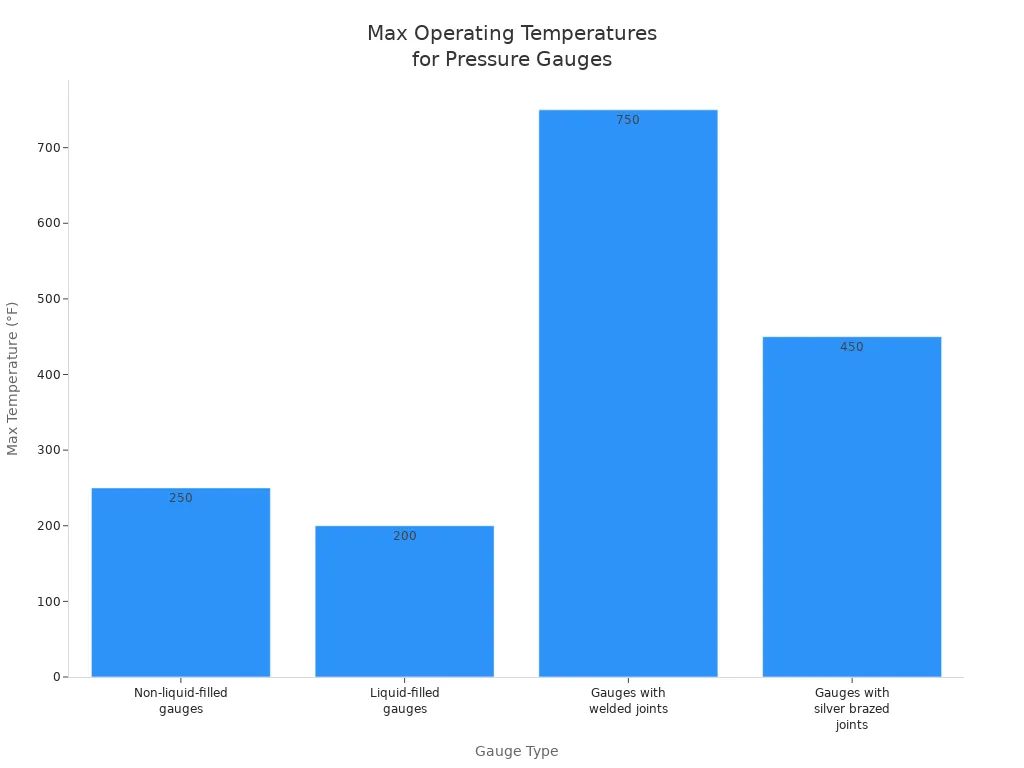
If you use an oil filled pressure gauge in very hot places, the parts inside can change shape. The dial might fade, and the seals can get hard. This can cause leaks. The gauge can also lose accuracy if the temperature changes a lot. For every 50°F change, you might see about 1% loss in accuracy. You should check the temperature where you plan to use your gauge.
Leakage Risk
Oil filled pressure gauges use liquid inside to work better. Sometimes, this liquid can leak out. Leaks can happen if the seals get old or if the gauge gets damaged. Leaks make the gauge stop working right and can cause messes.
Manufacturers use many tests to stop leaks before you get your gauge:
They check all the joints and seals before the gauge leaves the factory.
They test the gauge at the pressure it will use in real life.
They use soapy water to look for bubbles at the joints.
They use special machines to find even tiny leaks.
These steps help make sure your gauge stays safe and does not leak during normal use.
Tip: Always check your gauge for leaks if you see oil on the outside or if the readings seem off.
Higher Cost
Oil filled pressure gauges cost more than dry pressure gauges. The oil, the strong case, and the extra tests add to the price. You pay more at first, but you get better protection and longer life. If you only need a gauge for a simple job, a dry gauge might save you money.
Compatibility Issues
Not every job fits an oil filled pressure gauge. Some chemicals can mix with the oil and cause problems. Some places need gauges that work at very high heat, where oil filled types do not last. You should always check if the gauge matches your system and the fluids you use.
If you need a gauge for a special job, you can ask for custom options. You can pick the size, pressure range, and connection type that fits your needs.
Note: Always match your gauge to your job for the best results.
Choosing The Right Pressure Gauge
Best Uses For Oil Filled Gauges
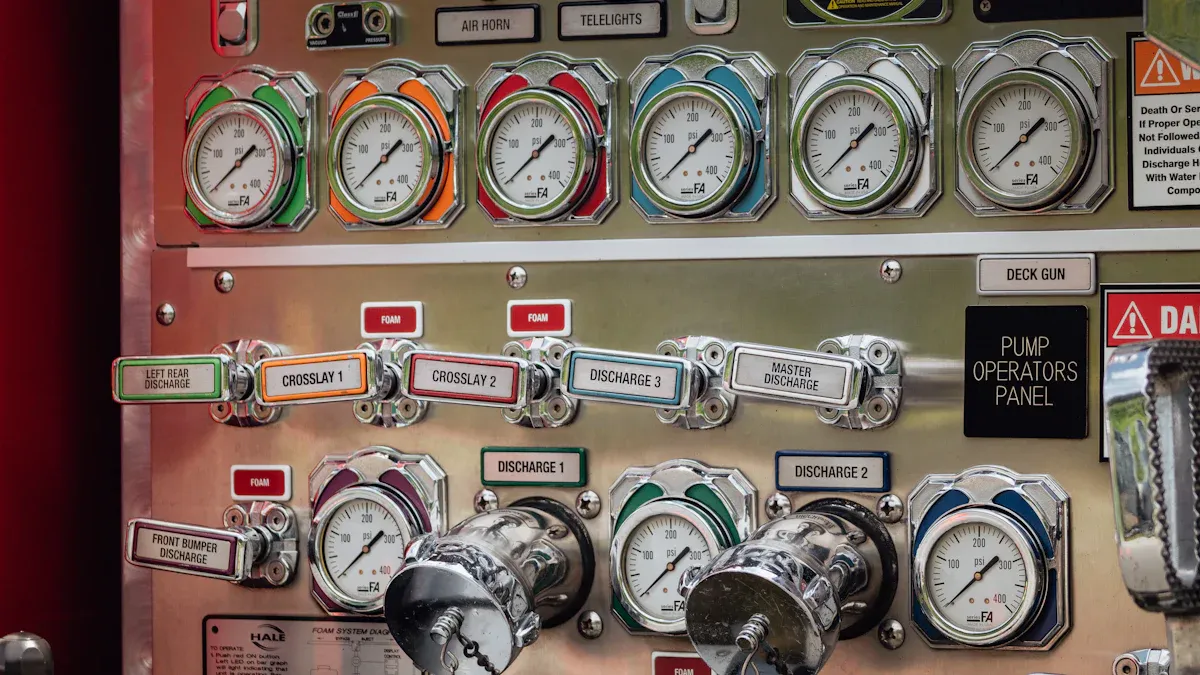
Pick an oil filled pressure gauge if you need steady readings in rough places. These gauges work best where there is lots of shaking, like in hydraulic systems, oil pipelines, and chemical plants. The oil inside keeps the pointer from moving too much. This helps you avoid mistakes and keeps your machines safe.
The filling fluid slows down the moving parts inside a pressure gauge. It protects the gauge from damage and wear caused by shaking.
Oil filled gauges last longer because the oil keeps dust and moisture out. You can choose the pressure range, dial size, and connection type to fit your system. This makes oil filled gauges a smart choice for many jobs.
Customizable Option | Impact on Suitability for Industries |
|---|---|
Pressure Range | Makes sure you measure right for each job |
Dial Size | Helps you read the gauge easily in different places |
Connection Type | Needs to match your system so it works well |
When To Use Liquid Pressure Gauges
Use liquid pressure gauges in places with lots of shaking, pressure jumps, or bad weather. These gauges are good for big machines and outdoor work. The liquid inside, like glycerin, keeps the pointer steady. You get clear and correct readings even when things are rough.
Liquid filled gauges are best for places with lots of shaking or shocks.
They work well in cold and wet places where dry gauges might not.
The oil layer in oil filled gauges slows down vibrations, so the pointer stays steady and the gauge lasts longer.
You can trust liquid filled gauges in chemical plants and hydraulic systems, where safety and accuracy are important.
When Dry Gauges Are Better
Dry pressure gauges are good for calm and clean places. Pick a dry gauge for indoor jobs like labs, HVAC systems, or water supply setups. These gauges cost less and are easy to use. They do not have oil inside, so they are simple to take care of.
Feature | Dry Pressure Gauge | Liquid-Filled Pressure Gauge |
|---|---|---|
Internal Fluid | No fluid inside, just air | Has damping fluid inside |
Advantages | Cheap, easy to use, simple care, fast pointer movement | Stops shaking, keeps out dust and moisture, lasts longer, works well with pressure spikes |
Drawbacks | Pointer may flutter, moisture problems, does not last long in tough places | Costs more, can leak, glycerin gets thick in cold |
Typical Use Cases | HVAC systems, labs, water supply systems | Oil fields, hydraulic systems, chemical plants |
Best Use | Calm places, jobs where price matters | Places with shaking and pressure jumps |
If you do not need extra protection from shaking or moisture, a dry gauge is a good pick.
Tip: Always check where you will use your gauge and what you need it to do. Custom options help you get the right gauge for your job.
Oil filled pressure gauges give steady readings in rough places. They last longer than dry gauges. But they cost more money. They need the right environment to work well. You should pick a gauge that fits your job. Look at the table below before you decide:
Factor | Description |
|---|---|
Safety Considerations | Needed for high-pressure or dangerous media. |
Budget | Balance cost and performance. |
Environmental Conditions | Best for vibration, corrosion, or harsh weather. |
Always check for certifications before you buy. Ask about custom options if you need them. Regular checks and good setup help your gauge last longer.
FAQ
What makes oil filled pressure gauges different from dry gauges?
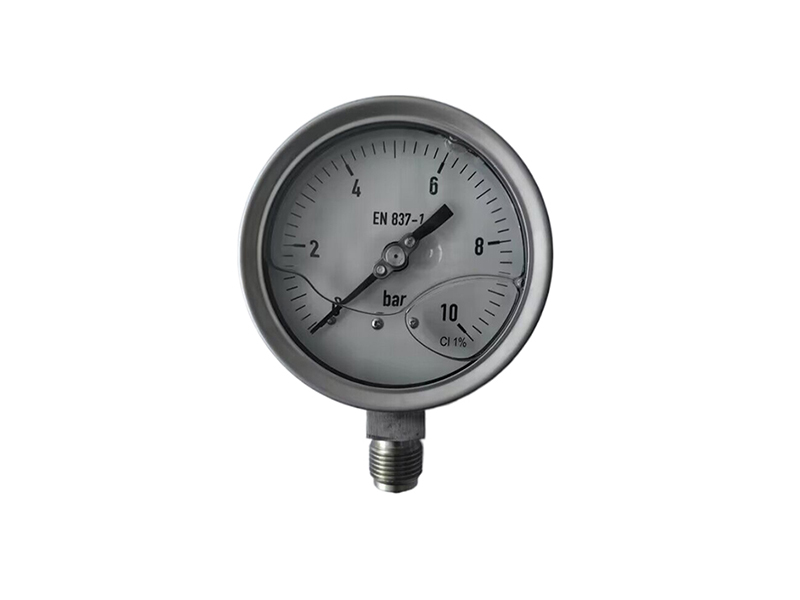
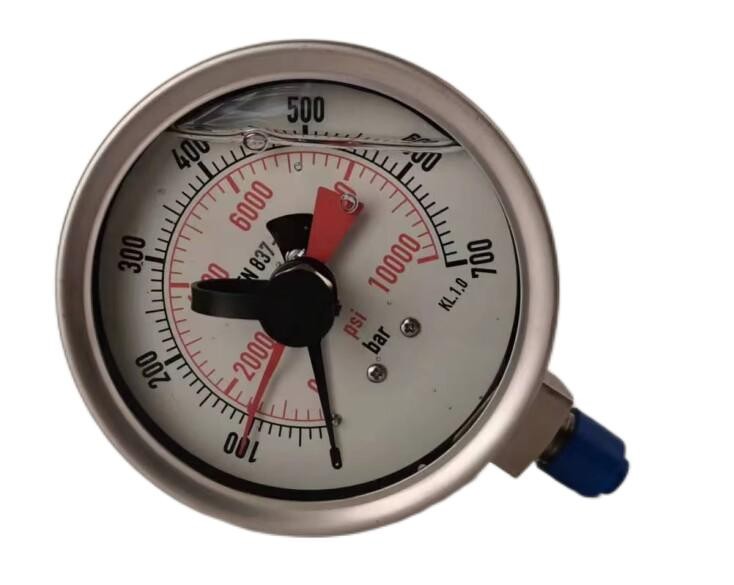
Oil filled pressure gauges handle shaking better. The oil inside keeps the pointer steady. Dry gauges do not have oil inside. Oil filled types are good for rough or outdoor places.
Can you use oil filled pressure gauges for all applications?
Oil filled pressure gauges are not right for every job. Some chemicals or high heat can cause problems. Always check if your system fits the gauge before you use it.
How do liquid pressure gauges help in harsh environments?
Liquid pressure gauges protect inside parts from dust and moisture. They also help with shaking. You get longer life and more reliable readings. These gauges work well in places with lots of movement or bad weather.
What is a liquid-filled gauge used for?
A liquid-filled gauge is best for places with heavy shaking or pressure jumps. You can use it in hydraulic systems, oil and gas lines, or chemical plants. The liquid inside keeps the readings steady.
Do liquid pressure gauges need special care?
You should check liquid pressure gauges for leaks or cloudy oil. Clean the outside if you see oil. Replace the gauge if you see damage. Regular checks help keep your equipment safe.
I want to comment
Recent News
1.How to Choose the Right Pressure Gauge Supplier for Your Needs
2026-03-102.Top 10 Oil Filled Pressure Gauge Suppliers and Manufacturers in China 2026
2026-01-233.Are Liquid-Filled Pressure Gauges Better?
2026-01-144.Understanding Marine Clocks and Barometers and Their Importance
2026-01-065.Pros and Cons of Digital Pressure Gauges in 2026
2026-01-046.Top 10 Pressure Gauge Suppliers and Manufacturers in China 2025
2025-12-127.Understanding Digital Pressure Gauges
2025-11-188.What Is a Liquid Filled Pressure Gauge?
2025-11-15




View More(Total0)Comment lists