



Understanding Digital Pressure Gauges
 Nov 18, 2025|
 View:1482
If you’ve ever worked in an industry where pressure measurement is crucial — whether that’s manufacturing, oil and gas, HVAC, food processing, or even laboratory work — you already know that accuracy is everything. And when it comes to achieving that level of precision, Digital Pressure Gauges have become the gold standard. These innovative devices take traditional mechanical pressure measurement to a whole new level, offering features that make monitoring easier, smarter, and more reliable than ever.
In this comprehensive guide, we’re going to dive deep into what digital pressure gauges are, how they work, why they matter, and how you can choose the right one for your application. So let’s begin.

What Are Digital Pressure Gauges?
At their core, Digital Pressure Gauges are electronic devices designed to measure and display pressure using digital technology rather than mechanical components. Unlike analog gauges that use a needle and dial, digital gauges provide an electronic readout, usually on an LCD or LED screen. This makes them far more accurate, easier to read, and capable of providing additional features like data logging, alarms, and connectivity.
Think of them as the “smartphones” of the pressure-monitoring world — compact, powerful, and feature-rich.
How Do Digital Pressure Gauges Work?
To understand how digital pressure gauges operate, imagine a sensor — usually a strain gauge, piezoresistive element, or capacitive sensor — that reacts to pressure changes. When pressure is applied, it deforms the sensor. That deformation is converted into an electrical signal. A built-in microprocessor then processes that signal and converts it into readable data displayed on the screen.
Here’s a simplified breakdown of the process:
Pressure is applied to the diaphragm.
The sensor detects deformation and generates a corresponding electrical signal.
A microcontroller interprets the signal and calculates the pressure.
The pressure value is displayed digitally with high precision.
This chain of events happens in milliseconds, giving you near-instant readings.
Why Are Digital Pressure Gauges Important?
Digital pressure gauges have grown in popularity because modern industries demand accuracy, reliability, and traceability. Mechanical gauges are great, but they have limitations — they can wear out, they’re harder to read, and they don’t offer advanced features.
Digital gauges, on the other hand, deliver:
Higher accuracy
Greater durability
Easy readability
Customizable units
Data connectivity
Additional safety features
In other words, they make your job easier and your processes safer.
Benefits of Digital Pressure Gauges
1. Superior Accuracy
Accuracy is one of the biggest reasons industries choose digital over analog. Digital pressure gauges often come with accuracies as high as ±0.05% of full scale, which is significantly better than standard analog gauges.
When you’re working in environments where small pressure fluctuations matter — like pharmaceutical manufacturing — this accuracy can make all the difference.
2. Easy-to-Read Display
Unlike analog gauges where you squint at a needle to guess the reading, digital pressure gauges provide clear, crisp numbers. This eliminates interpretation errors, especially in low-light or high-vibration environments.
Some models even include:
Backlit screens
Multi-line displays
Color-coded alerts
3. Multiple Units of Measurement
Tired of converting PSI to bar or kPa?
Digital pressure gauges let you switch units with the touch of a button. This is incredibly useful for operators working across industries or regions with different measurement standards.
4. Advanced Features and Connectivity
Modern digital pressure gauges can do a lot more than simply display a number. Many include:
Wireless connectivity (Bluetooth, Wi-Fi)
Data logging for traceability
Alarm functions for safety
Min/Max recording
Peak pressure detection
Temperature compensation
These features help streamline operations and improve decision-making.
5. Durability & Longevity
Digital pressure gauges eliminate many of the moving parts that cause analog gauges to fail over time. With fewer mechanical components, digital gauges are more resistant to:
Shock
Vibration
Overpressure events
Many also come with rugged housings suitable for harsh industrial environments.
Types of Digital Pressure Gauges
Digital pressure gauges come in multiple variations depending on application needs.
1. General-Purpose Digital Pressure Gauges
Used in common industrial settings for routine measurement tasks. They offer good accuracy and durability but without the high-end features found in specialized gauges.
2. High-Accuracy Digital Pressure Gauges
If precision is critical, these are the go-to devices. They often include advanced sensors, temperature compensation, and calibration certificates. Industries like aerospace and pharmaceuticals rely on these gauges.
3. Differential Digital Pressure Gauges
These gauges measure the difference between two pressure points. They’re commonly used in:
Filtration systems
Cleanrooms
Air handling systems
Flow measurement setups
4. Vacuum Digital Pressure Gauges
Designed to measure pressures below atmospheric levels. They’re ideal for:
Vacuum packaging
Semiconductor processing
Laboratory experiments
5. Digital Manometers
While technically a type of digital pressure gauge, manometers are specifically designed for low-pressure applications like HVAC system testing.
Applications of Digital Pressure Gauges
Digital pressure gauges are used across countless industries. Here are some of the most common applications:
1. Oil & Gas Industry
In oil and gas, pressure is everything. Digital pressure gauges help monitor:
Pipeline pressure
Storage tank pressure
Wellhead pressure
Their accuracy reduces the risk of accidents and improves operational efficiency.
2. HVAC Systems
HVAC technicians rely on digital gauges to measure airflow, refrigerant pressure, and system performance. Digital gauges simplify readings, especially during field service.
3. Chemical Processing
Chemical plants need precise pressure control to prevent volatile reactions. Digital gauges ensure stable and accurate monitoring.
4. Pharmaceutical Manufacturing
In pharmaceutical environments, even minor pressure deviations can compromise sterile conditions. Digital gauges ensure consistency in cleanrooms and production environments.
5. Food & Beverage Processing
From carbonation in beverages to cooking pressure in food manufacturing, digital gauges ensure safety and quality.
6. Laboratory Testing
Labs use digital pressure gauges for experiments requiring precise, real-time pressure measurement.
Key Features to Consider When Choosing a Digital Pressure Gauge
Choosing the right gauge can be overwhelming, especially with so many options available. Here’s a quick guide to help you make an informed decision.
1. Accuracy Requirements
Higher accuracy typically means higher cost, so choose based on your application. For general use, ±1% accuracy is acceptable. For critical applications, go for ±0.1% or better.
2. Pressure Range
Make sure the gauge can handle the expected pressure levels. As a rule of thumb, choose a gauge with a range 1.5× higher than the maximum system pressure.
3. Display Quality
Look for:
Backlighting
Large digits
Anti-glare screen
Multi-line readouts
This matters if you work in low-light or outdoor environments.
4. Connectivity Options
If you need remote monitoring or data logging, choose a gauge with Bluetooth, Wi-Fi, or USB connectivity.
5. Material and Build Quality
Gauge housings may be:
Stainless steel
Aluminum
Plastic composites
For corrosive environments, stainless steel is best. For general use, plastic casing is usually sufficient.
6. Power Source
Digital pressure gauges typically run on:
Batteries
Rechargeable lithium-ion cells
External power sources
If continuous monitoring is required, choose a model with an external power option.
7. Mounting Options
Depending on your setup, you may need:
Panel mounting
Direct mounting
Remote mounting
Choose what fits your workflow best.
Digital Pressure Gauges vs Analog Pressure Gauges
Let’s compare these two to help you understand why digital pressure gauges are becoming the preferred choice.
1. Accuracy
Digital gauges:
Higher accuracy
Better resolution
Temperature compensation
Analog gauges:
Lower accuracy
Prone to parallax errors
2. Ease of Use
Digital displays are easier to read and interpret. Analog needles can be difficult to see in vibration-heavy environments.
3. Features
Digital gauges offer advanced features like data logging and connectivity. Analog gauges only provide basic readings.
4. Durability
Analog gauges have moving parts that wear out over time. Digital models are generally more robust.
5. Cost
Digital gauges are more expensive upfront but often deliver better long-term value due to lower maintenance needs.
Maintenance Tips for Digital Pressure Gauges
To maximize the lifespan and performance of your digital pressure gauge, follow these essential maintenance tips.
1. Regular Calibration
Even digital gauges drift over time. Schedule annual calibration to maintain accuracy.
2. Keep Sensors Clean
Dust and debris can affect performance. Clean the sensor area carefully and regularly.
3. Avoid Overpressure
Repeated exposure to pressure spikes can damage the internal sensor. Use a pressure snubber if needed.
4. Protect the Display
Use protective covers to prevent scratches and enhance durability in harsh environments.
5. Store Properly
When not in use, keep the gauge in a dry, clean environment to prevent corrosion.
Future Trends in Digital Pressure Gauge Technology
Digital pressure gauge technology continues to evolve. Here’s what the future may bring.
1. IoT Integration
Smart gauges connected to cloud platforms will enable remote monitoring and predictive maintenance.
2. AI-Based Diagnostics
Future gauges may self-diagnose faults using AI to minimize downtime and improve reliability.
3. Ultra-Low Power Sensors
Emerging sensor technologies will allow gauges to operate for years on a single battery.
4. Enhanced Ruggedness
Materials like reinforced polymers and nano-coatings will improve resistance to corrosion and physical damage.
Final Thoughts
Understanding Digital Pressure Gauges is essential in today’s fast-paced industrial world. Whether you're monitoring pressure in a chemical plant, calibrating HVAC systems, or conducting lab experiments, digital gauges provide the accuracy, efficiency, and reliability you need.
They are more than just upgraded versions of analog gauges — they are intelligent tools designed to boost accuracy, improve safety, and make pressure monitoring easier than ever.
If you choose the right model and maintain it properly, a digital pressure gauge can serve you reliably for many years, ensuring your processes run smoothly and safely.
I want to comment
Recommended Products
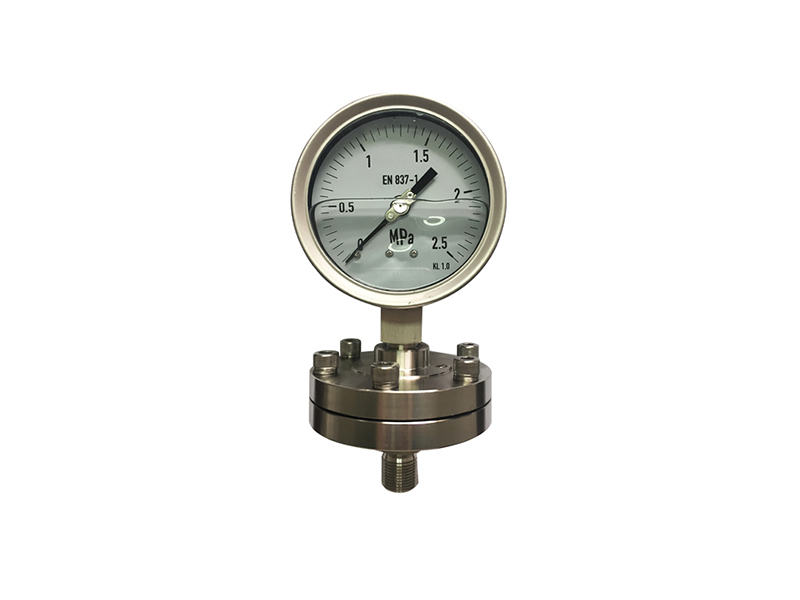
PG-05 Diaphragm seal Pressure gauge
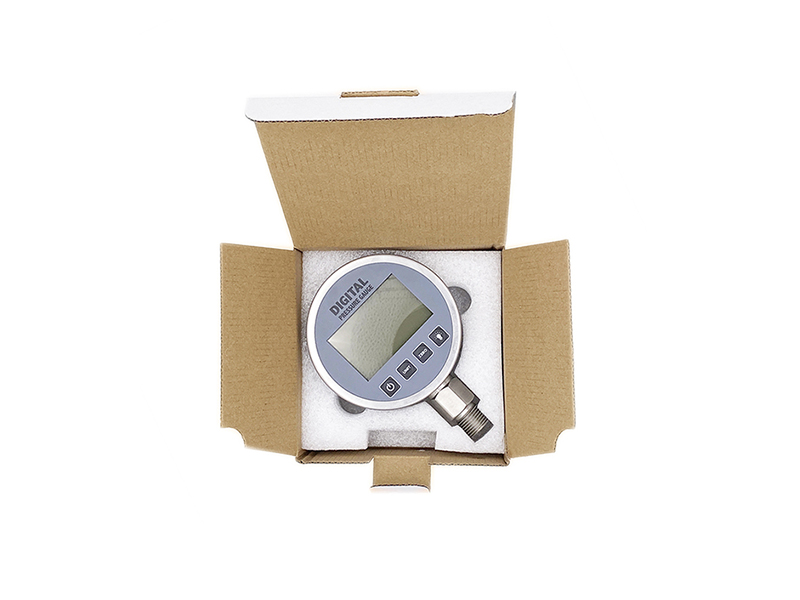
PG-10 High Precision Digital Pressure Gauge
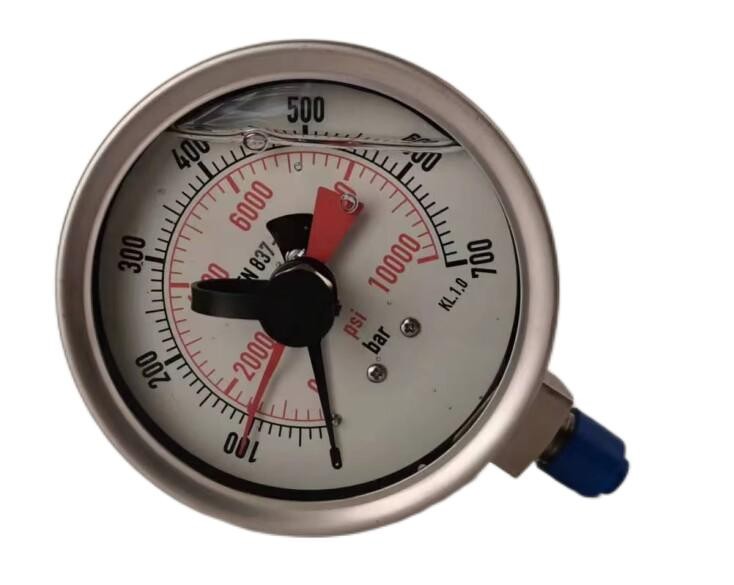
Standard liquid fillable gauge with Baynet ring
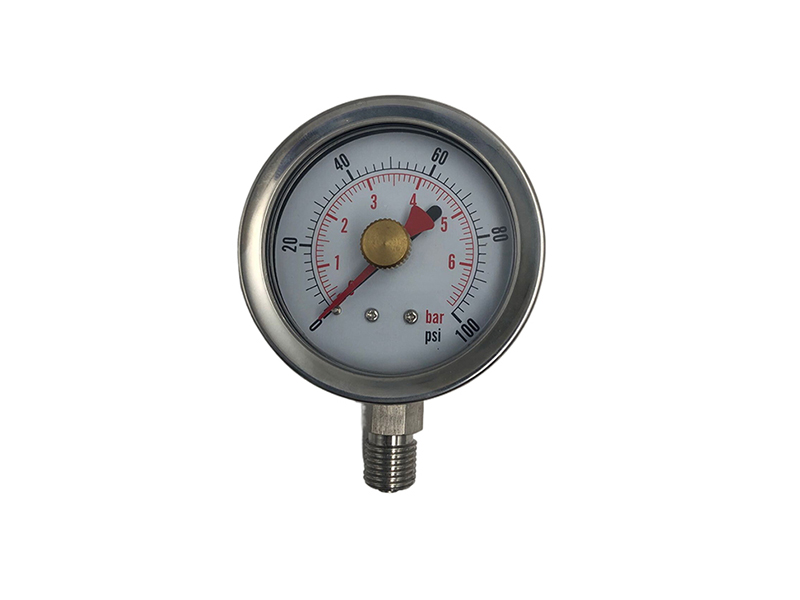
PG-03C Oil Filled Pressure Gauges with record pointer
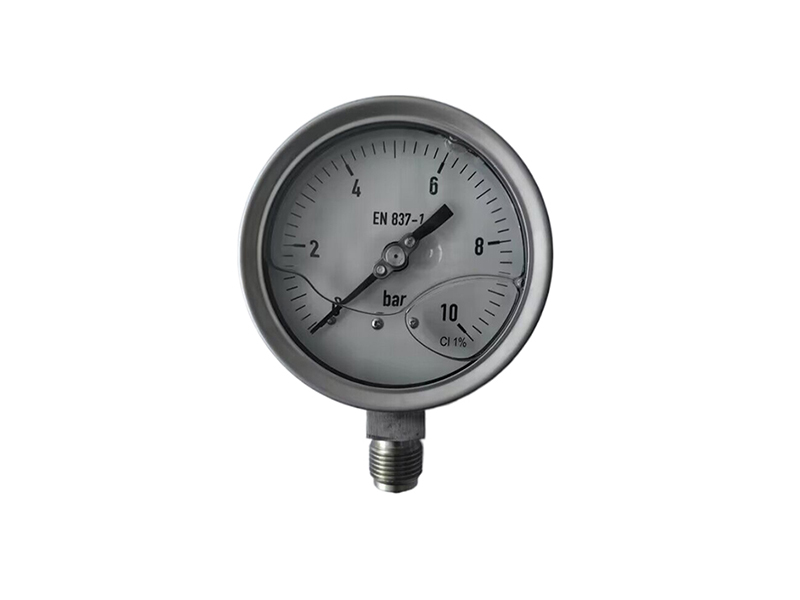
PG-03B Oil Filled Pressure Gauge-Bayonet type
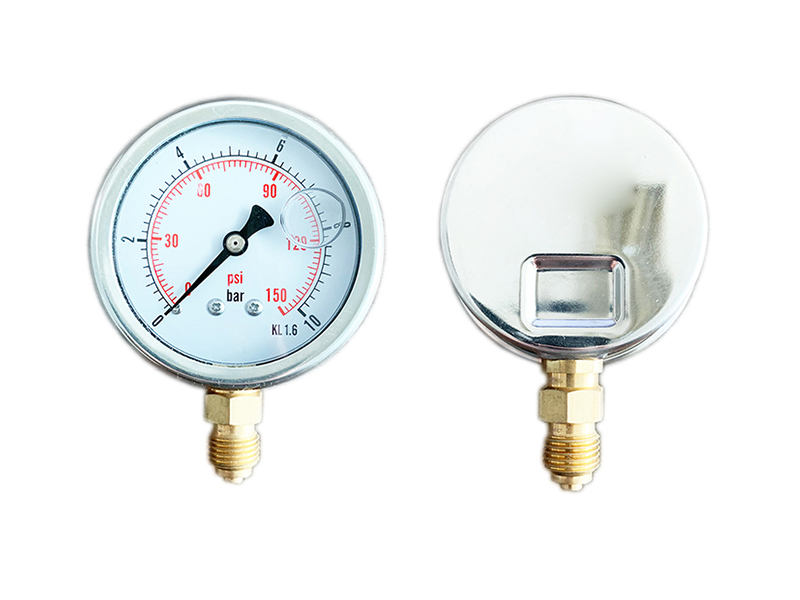
PG-2 Oil Filled Pressure Gauge Stainless Steel Case
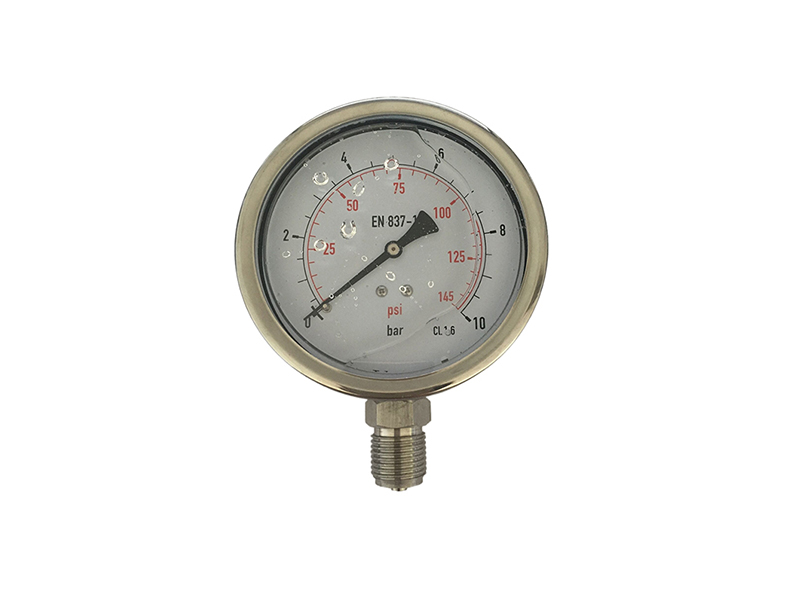
PG-03A Liquid Filled Pressure Gauge-Crimped type
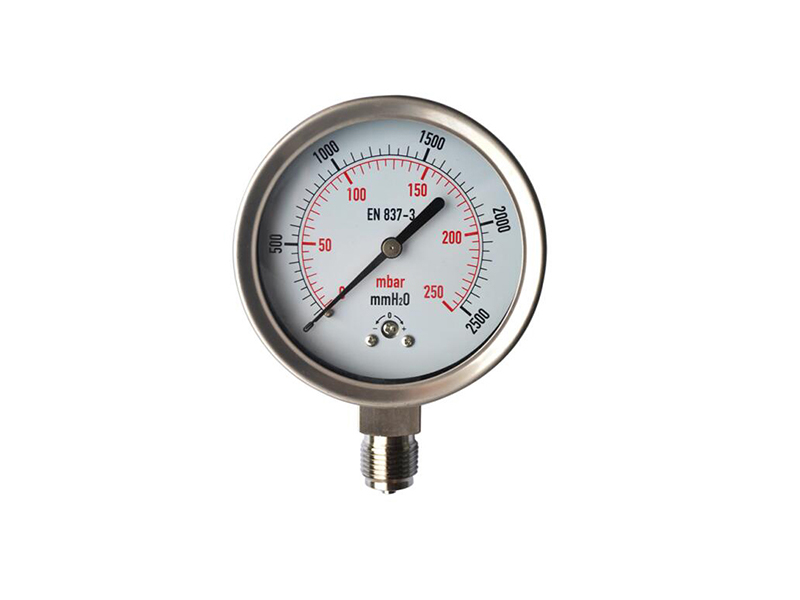
PG-04C Capsule Pressure gauge
PG-04B Capsule Pressure gauge
Recent News
1.What kind of oil is generally in oil filled pressure gauge
2021-04-302.Basic requirements for choosing medical pressure gauge
2021-03-123.The function and principle of diaphragm pressure gauge
2020-09-214.How to read fire extinguisher pressure gauge
2026-06-165.Features of capsule type pressure gauge
2021-06-02




View More(Total0)Comment lists