



What Is a Liquid Filled Pressure Gauge?
 Nov 15, 2025|
 View:2016
If you’ve ever stepped into an industrial plant, an oil refinery, a food-processing facility, or even a simple workshop with compressors, you’ve probably seen pressure gauges everywhere—quietly monitoring systems that keep our world running. But have you ever wondered why some pressure gauges are filled with liquid? What’s inside them? And what makes these special compared to the regular dry ones?
Welcome to this deep-dive guide! Here, we’ll break down what a Liquid Filled Pressure Gauge is, why Oil Filled Pressure Gauges have become the go-to choice for harsh environments, how they work, and when you should choose one. Get comfortable—there’s a lot of valuable information coming your way.

What Is a Liquid Filled Pressure Gauge?
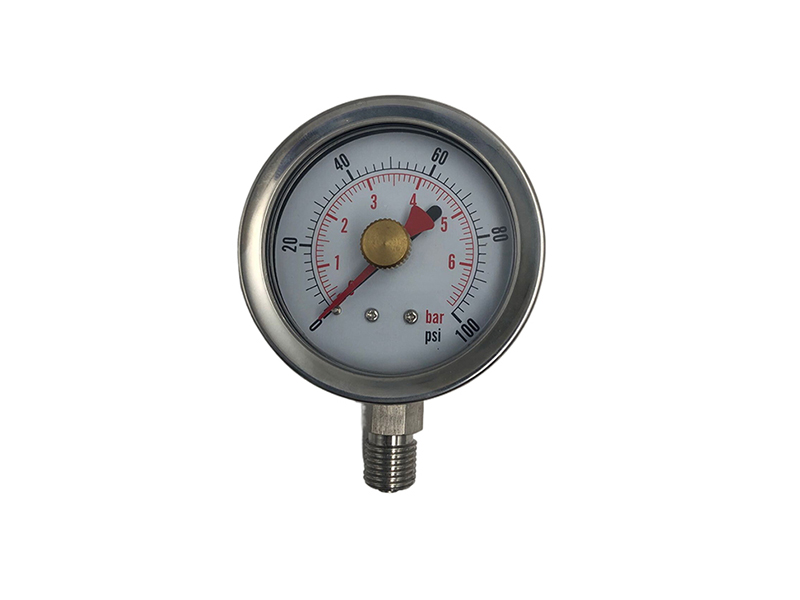
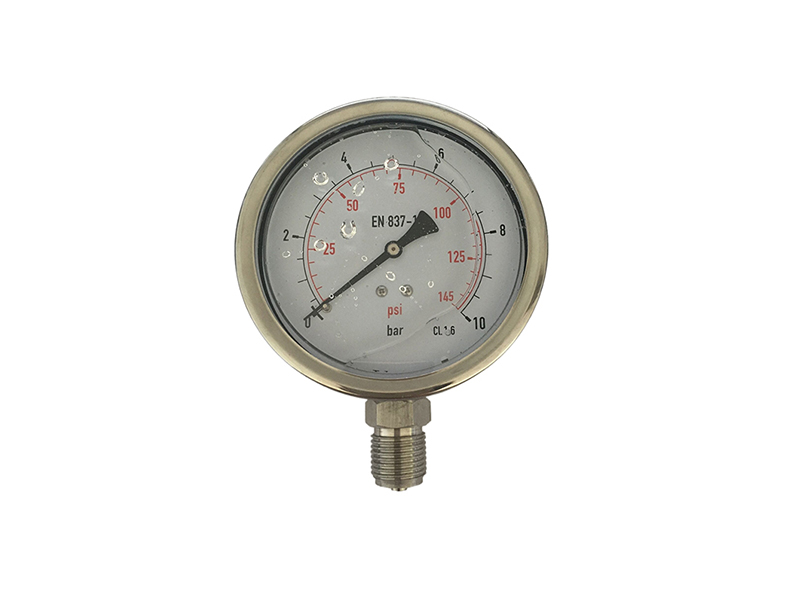
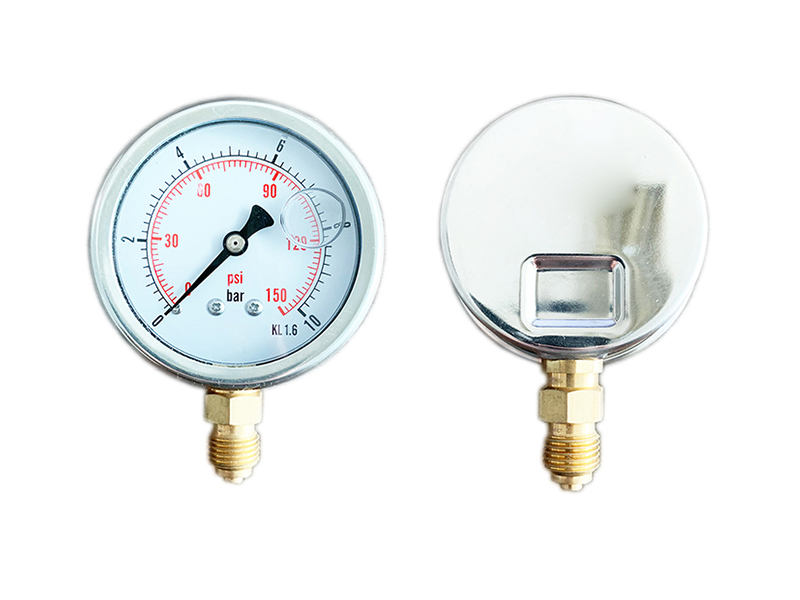
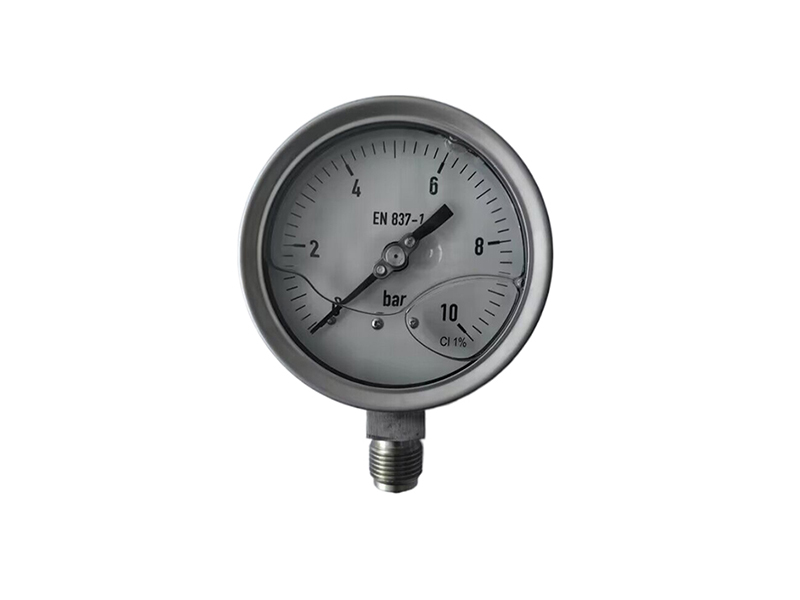
A Liquid Filled Pressure Gauge, often referred to as an Oil Filled Pressure Gauge, is a type of pressure measuring device where the internal casing is filled with a liquid—usually glycerin, silicone oil, or mineral oil. This liquid surrounds the internal components and protects them from shock, vibration, and environmental damage.
So instead of air inside the dial, these gauges use fluid to dampen the movement and keep the needle stable. It’s a simple yet brilliant design that makes a huge difference in performance.
Why Is Liquid Used Inside the Gauge?
Great question! The liquid inside the gauge doesn’t just sit there—it plays an active role in improving the gauge’s reliability and lifespan. Under tough conditions, dry gauges often fail because:
Vibrations cause needle bounce
Rapid pressure changes can damage internal gears
Moisture and dust enter through openings
Cold environments cause condensation
Liquid filling solves these issues by cushioning the internal mechanism and sealing the gauge.
How Oil Filled Pressure Gauges Work
To understand how an Oil Filled Pressure Gauge works, let’s break it down step-by-step.
1. Pressure Enters Through the Stem
The gauge is connected to a system (like a pump or compressor). When pressure from the system enters the gauge, it pushes against a Bourdon tube—the curved metal tube inside.
2. The Bourdon Tube Straightens
As pressure rises, the tube begins to straighten slightly. This tiny motion is transferred to gears inside the gauge.
3. The Needle Moves
The gears convert tube movement into needle rotation.
The higher the pressure → the more the needle moves clockwise.
4. The Liquid Helps Stabilize Everything
Here’s the magic:
The oil filling absorbs vibrations, cushions internal components, and prevents rapid needle movement.
The result?
A smooth, accurate reading—even if the equipment is shaking like crazy.
Key Benefits of Liquid Filled Pressure Gauges
A Liquid Filled Pressure Gauge offers several advantages over traditional dry gauges. Here’s a breakdown of why they're so popular in industry:
1. Superior Vibration Resistance
Machinery like pumps, compressors, and engines produce constant vibration.
Dry gauges suffer from jittery readings, but oil-filled ones remain stable and readable.
2. Extended Lifespan
The liquid inside acts like a shock absorber, reducing wear and tear on internal components.
More protection = Fewer replacements = Lower maintenance costs
3. Improved Accuracy
Vibration isn’t just annoying—it leads to measurement errors.
Oil-filled pressure gauges maintain accuracy even under stress.
4. Protection Against Moisture and Condensation
The liquid filling prevents moisture from entering the gauge.
This is especially important in:
outdoor installations
cold-temperature applications
marine environments
5. Resistance to Harsh Environments
Oil-filled gauges can handle it all:
temperature extremes
high humidity
dusty environments
corrosive atmospheres
This is why they are widely used in chemical plants, refineries, and manufacturing industries.
6. Clearer Visibility
Ever seen a foggy gauge window?
That typically happens to dry gauges.
Liquid filled gauges resist fogging, giving you consistently clear readings.
What Liquids Are Used in Oil Filled Pressure Gauges?
Not all fluids are created equal. Manufacturers choose the filling liquid depending on the operating environment.
1. Glycerin
The most common filling liquid.
Ideal for:
general industrial applications
moderate temperatures (-20°C to +60°C)
2. Silicone Oil
Used in extreme temperature conditions.
Perfect for:
very hot or very cold environments
outdoor installations in winter
high-temperature machinery
3. Mineral Oil
Used when a non-reactive liquid is needed, especially in chemical or food applications.
Dry vs Liquid Filled Pressure Gauges: What’s the Difference?
To help you quickly understand the difference, here’s a simple comparison:
Dry Pressure Gauges
No liquid filling
Economical
Best for vibration-free environments
Vulnerable to moisture and needle flutter
Shorter lifespan
Liquid Filled Pressure Gauges
Filled with glycerin, silicone, or mineral oil
Excellent vibration resistance
Longer lifespan
Great for outdoor or harsh conditions
Clear readings
In short, dry gauges are great for indoor, stable conditions.
For everything else? Oil Filled Pressure Gauges win, hands down.
Applications of Liquid Filled Pressure Gauges
You may be wondering:
Where are these gauges actually used?
Let’s explore the most common industries.
1. Hydraulic Systems
Hydraulic systems operate under extremely high pressure, often with sudden spikes. Liquid filled gauges help absorb those shocks.
2. Air Compressors
Compressors cause heavy vibration, making oil-filled gauges the top choice.
3. Chemical & Petrochemical Industries
Because these environments can be corrosive, liquid filled pressure gauges offer better protection.
4. Food & Beverage Processing
Mineral oil-filled gauges are the preferred option due to hygiene requirements.
5. Marine Industry
Saltwater, humidity, and vibration—this is a nightmare for dry gauges, but not for liquid filled ones.
6. Oil & Gas Industry
Perhaps the largest user of Oil Filled Pressure Gauges, thanks to the extreme temperatures and pressure conditions.
7. Water Treatment Plants
Reliable readings and protection from condensation make these gauges perfect for water treatment systems.
When Should You Choose a Liquid Filled Pressure Gauge?
You should choose a Liquid Filled Pressure Gauge when:
your equipment vibrates
the system experiences pressure spikes
you need longer gauge life
the environment is harsh, wet, or cold
accuracy is critical
you use the gauge outdoors
If any of these describe your application, an oil-filled gauge is the right choice.
Why Oil Filled Pressure Gauges Are the Preferred Industry Standard
The global shift toward Oil Filled Pressure Gauges isn’t a coincidence—it’s based on proven performance. Manufacturers and engineers favor them because:
they reduce downtime
they perform reliably in environments where dry gauges fail
they lower long-term operational costs
In industries where safety and accuracy matter, choosing the right gauge is not an option—it’s a must.
How to Select the Right Liquid Filled Pressure Gauge
Choosing the perfect pressure gauge involves more than just grabbing the cheapest option. Here are key factors to consider.
1. Operating Pressure Range
A good rule of thumb:
Select a gauge where normal operating pressure falls in the middle 50% of its range.
2. Filling Liquid
Glycerin → general applications
Silicone oil → extreme temperatures
Mineral oil → food-grade or chemical-safe environments
3. Case Material
Common options:
stainless steel
brass
ABS plastic
Stainless steel is best for corrosive environments.
4. Dial Size
Larger dials = easier to read
Common sizes: 1.5", 2", 2.5", 4", 6"
5. Mounting Style
Bottom mount
Back mount
Panel mount
U-clamp or flange mount
Choose based on your equipment design.
6. Accuracy Class
Typical accuracy: ±1.6%, ±1%, ±0.5%, ±0.25%
Higher accuracy = higher cost but better performance.
How Long Do Liquid Filled Pressure Gauges Last?
On average, oil-filled gauges last three to five times longer than dry gauges.
The liquid protects internal parts from:
vibration
contamination
corrosion
sudden pressure changes
So if you're tired of replacing gauges every few months, switching to oil-filled ones is a smart move.
Common Problems and Solutions
Even the best equipment isn’t perfect. Here are some issues you might encounter.
1. Air Bubble Inside the Gauge
Sometimes you’ll see a small air bubble under the lens.
Don’t panic—it’s normal.
Air expands and contracts with temperature. Manufacturers allow a small bubble for protection.
2. Leaking Oil
If oil leaks:
check for cracks
inspect the seal
replace the gauge if damaged
3. Cloudy Liquid
Cloudiness indicates contamination or moisture intrusion.
This usually means the gauge has exceeded its service life.
Maintenance Tips for Oil Filled Pressure Gauges
Good maintenance ensures long life and accurate readings.
Inspect regularly
Check for cracks, leaks, or fogging.
Avoid overpressure
Never expose the gauge to pressure above its rated range.
Use proper mounting
Incorrect mounting can reduce accuracy.
Keep it clean
Dirt buildup affects the dial visibility.
Conclusion: Why Liquid Filled Pressure Gauges Are a Smart Choice
By now, you should have a clear understanding of What a Liquid Filled Pressure Gauge is and why Oil Filled Pressure Gauges are trusted by industries worldwide. They offer unmatched durability, accuracy, and stability—especially in harsh environments.
So, whether you're running a compressor, maintaining industrial machinery, or dealing with harsh outdoor conditions, choosing an oil-filled gauge is one of the simplest yet smartest decisions you can make.
If you want reliability, long lifespan, and accurate readings—go with liquid filled. Your equipment will thank you.
I want to comment
Recent News
1.Installation method of commercial pressure gauge
2020-12-222.Application of Oil and Gas Pressure Sensor in Pipeline
2020-08-013.What kind of oil is generally in oil filled pressure gauge
2021-04-304.Oil filled pressure gauges application
2020-09-015.How to use Oil Gauging Tapes
2020-12-076.How does the diaphragm pressure gauge work?
2021-01-047.How to use and install a medic pressure gauge?
2022-09-138.How the Capsule Pressure Gauge works and how it works?
2022-12-20




View More(Total0)Comment lists