



Meaning of Fire Extinguisher Pressure Gauge Pointer in Different Areas
 Jul 29, 2025|
 View:1867
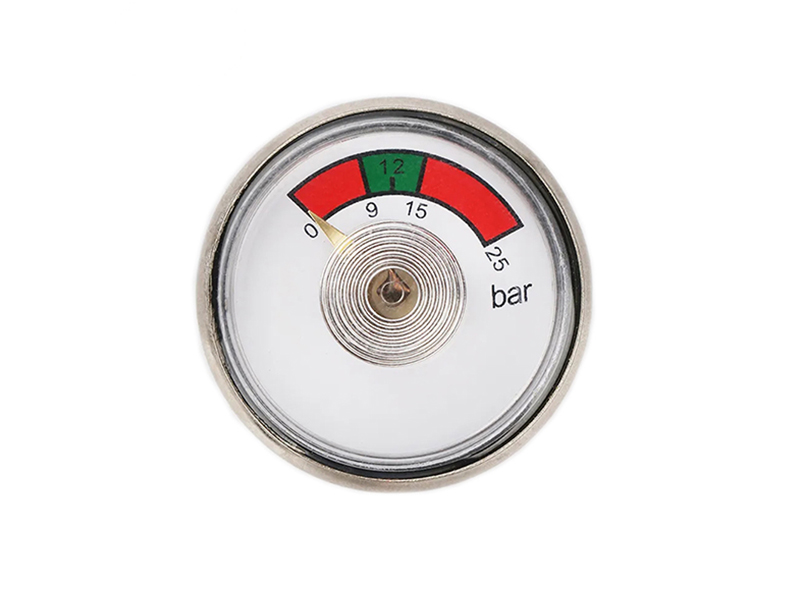
A fire extinguisher gauge is a critical component that indicates whether your extinguisher is ready for use in an emergency. The pressure gauge typically features a needle pointing to one of three colored zones—red, green, or yellow—each representing a different pressure status. Understanding these indicators ensures your fire extinguisher functions correctly when needed.

This guide explains the meaning of the fire extinguisher pressure gauge pointer in different areas, helping you maintain safety compliance and prevent potential hazards.
Why the Fire Extinguisher Gauge Matters
Fire extinguishers rely on internal pressure to discharge their contents effectively. If the pressure is too low, the extinguisher won’t work; if it’s too high, it could become dangerous. The pressure gauge provides a quick visual check to determine if your extinguisher is operational.
Regularly monitoring the gauge ensures:
Operational readiness in emergencies
Compliance with safety regulations
Prevention of accidental failures

Interpreting the fire extinguisher gauge Pointer in Different Areas
1. Green Zone: Safe and Ready for Use
When the pointer rests in the green zone, the extinguisher is properly pressurized and ready for immediate action. This zone typically spans the middle portion of the gauge, marked with “OK” or “Full” labels.
What to Do:
No action is needed if the pointer is in this area.
Regularly check the gauge during monthly inspections (as recommended by safety standards like NFPA 10).
Why It’s Critical:
Extinguishers in the green zone are guaranteed to discharge effectively, maximizing your chances of controlling a fire before it escalates.
2. Red Zone (Left): Underpressure
If the pointer drifts into the left red zone, the extinguisher is underpressurized. This often occurs due to:
Leaks: Damaged seals, valves, or hoses allow pressure to escape.
Discharge: Partial use without proper recharging.
Temperature Fluctuations: Extreme cold can reduce pressure (though most extinguishers are designed to withstand typical temperature ranges).
What to Do:
Do not use the extinguisher in this state, as it may fail to spray or only release a weak stream.
Replace or recharge the extinguisher immediately by a certified professional.
Inspect for visible damage or leaks before recharging.
Risks of Ignoring Underpressure:
An underpressurized extinguisher is unreliable in emergencies, potentially leading to property damage or injuries.
3. Red Zone (Right): Overpressure
The right red zone indicates overpressure, which is less common but equally dangerous. Causes include:
Exposure to heat: Storing the extinguisher near engines, boilers, or direct sunlight.
Manufacturing defects: Rare, but possible in faulty units.
Overcharging: Incorrect servicing practices.
What to Do:
Do not use the extinguisher, as overpressure could cause it to rupture.
Remove the extinguisher from service and contact a professional for inspection or replacement.
Relocate the extinguisher to a cooler, shaded area if heat exposure is the issue.
Risks of Overpressure:
Overpressurized containers are prone to explosion, posing a severe hazard to occupants and property.
Common Causes:
Overfilling
Exposure to excessive heat
How to Check Your Fire Extinguisher Gauge
Follow these steps for a proper inspection:
Locate the Gauge – Usually found on the top or side of the extinguisher.
Check the Needle Position – Ensure it’s within the green zone.
Look for Physical Damage – Cracks, corrosion, or leaks may affect performance.
Verify the Safety Pin & Seal – Ensure they are intact.
Record the Inspection – Log monthly checks for compliance.
Common Misconceptions About Fire Extinguisher Gauges
Myth 1: "If the Needle is in Yellow, It’s Still Usable"
Reality: While it may discharge, high pressure increases explosion risks—professional servicing is advised.
Myth 2: "A Green Gauge Means No Further Checks Are Needed"
Reality: External damage or clogged nozzles can still render an extinguisher ineffective despite correct pressure.
Myth 3: "All Extinguisher Gauges Work the Same Way"
Reality: Some specialized extinguishers (e.g., CO₂ types) may not have gauges—always check the manufacturer’s guidelines.
Best Practices for Fire Extinguisher Maintenance
To ensure your extinguisher remains functional:
Store Properly: Avoid extreme temperatures (-10°C to 45°C recommended).
Avoid Physical Damage: Prevent drops, dents, or exposure to corrosive substances.
Schedule Professional Servicing: Annual inspections by certified technicians are crucial.
Conclusion
Understanding your fire extinguisher gauge is essential for safety. The red, green, and yellow zones provide instant feedback on whether your extinguisher is ready for use or requires maintenance. Regular checks and proper storage will help keep your equipment in optimal condition.
For reliable and high-quality fire extinguisher gauges, consider sourcing from a trusted pressure gauge manufacturer like Changzhou KB Instruments & Meter Co., Ltd, known for precision and durability in pressure measurement solutions. Their pressure gauges products are engineered to meet international standards, offering clear, reliable readings that simplify maintenance and compliance.
By understanding your fire extinguisher gauge and partnering with a trusted manufacturer, you’ll safeguard your property and loved ones against fire emergencies. Stay vigilant, inspect regularly, and act swiftly if the pointer strays from the green zone—your safety depends on it.
I want to comment
Recommended Products
Recent News
1.How to check whether the pressure gauges of commonly used water-based, carbon dioxide and dry powder fire extinguishers are normal?
2021-01-132.How to read fire extinguisher pressure gauge
2026-06-163.The meaning of red, yellow ,and blue for pressure gauge of fire extinguisher gauges
2021-05-214.How to apply intelligent fire extinguisher pressure gauge?
2021-07-095.How To Check Pressure Gauge On Fire Extinguisher
2026-08-24




View More(Total0)Comment lists