



Oil-Filled Pressure Gauges: The Ultimate Solution for Harsh Industrial Environments
 Jul 22, 2025|
 View:2776
Pressure measurement is critical in many industries, and Oil-Filled Pressure Gauges play a vital role in ensuring accurate and stable readings, especially in harsh environments. These gauges are designed to withstand vibration, extreme temperatures, and corrosive conditions, making them indispensable in industries like oil & gas, manufacturing, automotive, and utilities.

In this article, we’ll explore:
What Oil-Filled Pressure Gauges are and how they work
Key benefits over dry gauges
Top applications across industries
How to choose the right oil-filled gauge
By the end, you’ll understand why these gauges are trusted for critical pressure monitoring and how to select the best one for your needs.
1. What Are Oil-Filled Pressure Gauges?
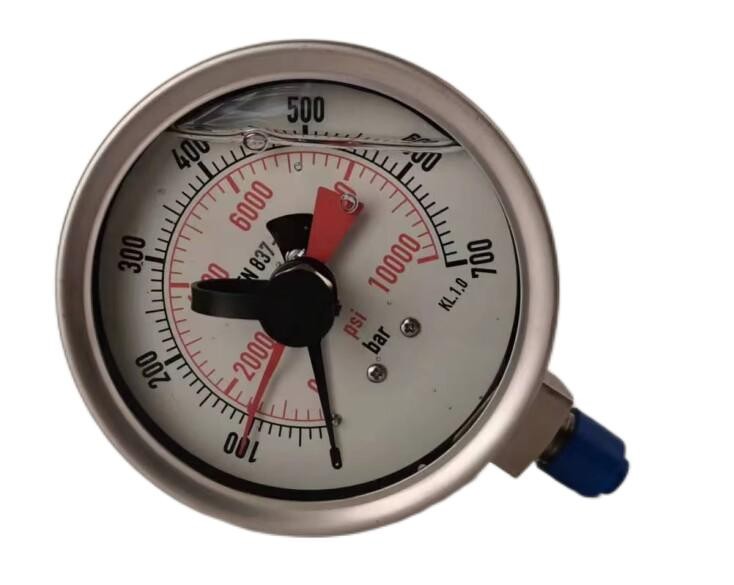
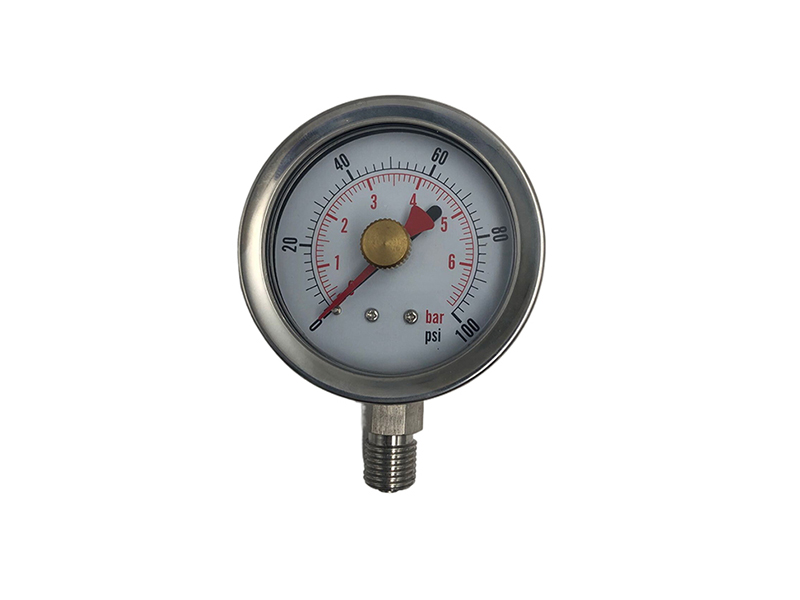
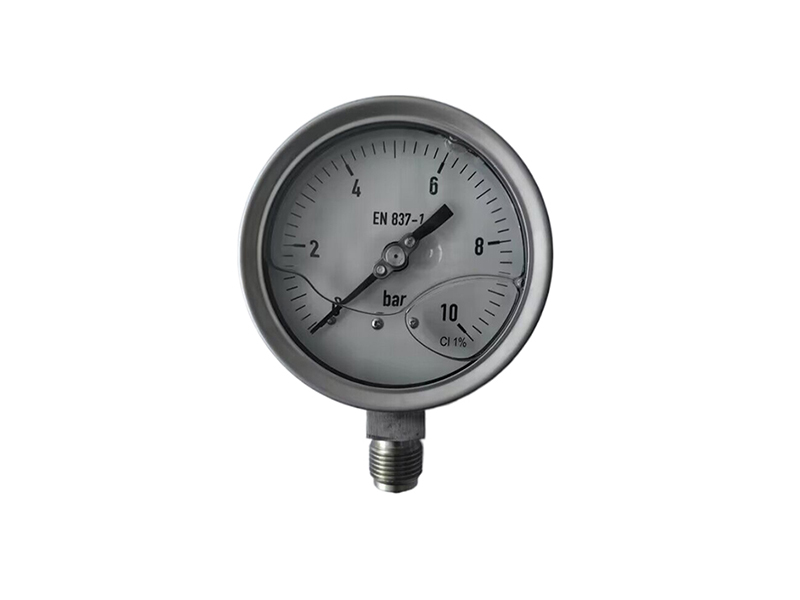
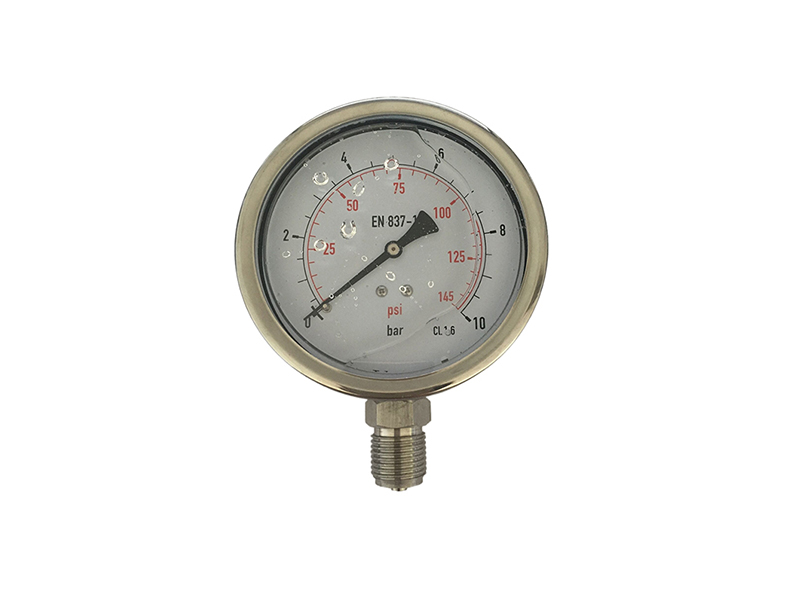
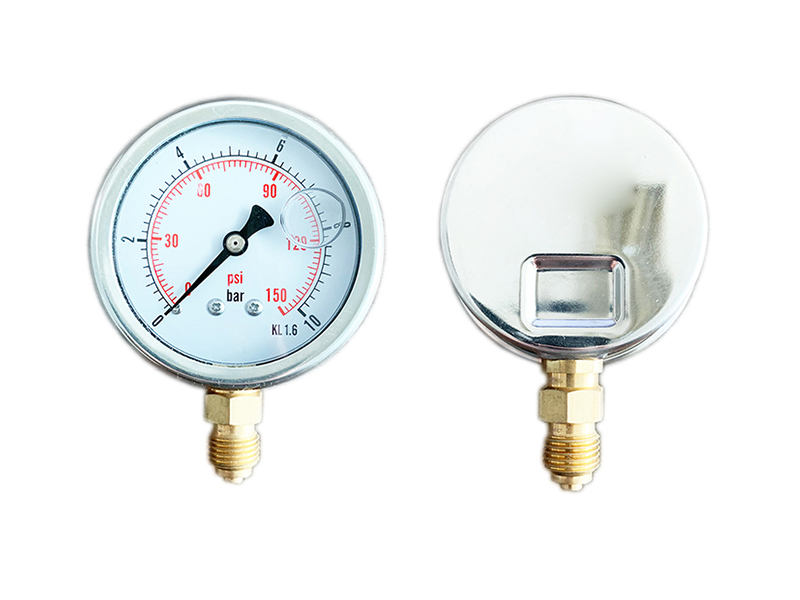
Oil-Filled Pressure Gauges, or liquid-filled gauges, are pressure-measuring devices with internal components surrounded by oil. They use a Bourdon tube for pressure sensing, like regular gauges. The oil cushions internal parts, resisting vibrations and shocks. It also protects against corrosion, improves readability by stabilizing the pointer, and reduces wear, making them reliable in harsh industrial settings.
Working Principle of Oil-Filled Pressure Gauges
Before delving into their applications, it's essential to understand how oil-filled gauges work. Similar to regular pressure gauges, Oil-Filled Pressure Gauges use a Bourdon tube or other pressure-sensing elements. When pressure is applied to the gauge, the Bourdon tube, which is a curved tube, tends to straighten. This movement is then translated into the rotation of a pointer on the gauge face, indicating the pressure reading.
The key difference with Oil-Filled Pressure Gauges lies in the presence of the filling liquid. The oil surrounds the internal components of the gauge, such as the Bourdon tube, movement mechanism, and pointer. This liquid serves as a buffer and shock absorber, protecting the sensitive internal parts from external forces like vibrations and pulsations.
2. Key Benefits of Oil-Filled Pressure Gauges
Superior Vibration Resistance
Machinery like pumps, compressors, and hydraulic systems generate constant vibration, which can damage standard gauges or make readings unreliable. Oil-Filled Pressure Gauges absorb these vibrations, ensuring stable and accurate measurements.
Example: In oil drilling rigs, pressure fluctuations are common, but Oil-Filled Pressure Gauges maintain steady readings despite heavy machinery vibrations.
Enhanced Durability in Harsh Conditions
Extreme Temperatures: Silicone Oil-Filled Pressure Gauges perform well in -40°F to 400°F (-40°C to 200°C).
Corrosive Environments: Stainless steel or PTFE-coated models resist chemicals, saltwater, and acidic gases.
Example: In offshore oil rigs, saltwater corrosion is a major issue, but 316L stainless steel Oil-Filled Pressure Gauges last much longer than standard models.
Better Visibility & Accuracy
The liquid inside prevents needle flutter, making it easier to read pressures at a glance. This is crucial in industries where quick, precise readings are needed (e.g., fire safety systems, hydraulic controls).
Example: In fire trucks, oil-filled pressure gauges ensure firefighters can instantly check water pressure without misreading due to movement.

3. Top Applications of Oil-Filled Pressure Gauges
Industrial Machinery and Manufacturing
Hydraulic Systems: Hydraulic systems are widely used in industrial machinery such as presses, forklifts, and hydraulic pumps. These systems operate under high pressures and often experience sudden pressure changes and vibrations. Oil-filled gauges are ideal for monitoring the pressure in hydraulic systems as they can accurately measure the pressure while protecting against the harsh operating conditions. For instance, in a large hydraulic press used for metal forming, the oil-filled gauge can provide real-time pressure readings, ensuring that the press operates within the safe and optimal pressure range.
Compressors: Air compressors are a common sight in manufacturing plants, providing compressed air for various operations such as powering pneumatic tools and operating automated machinery. Compressors generate significant vibrations and pulsating pressures. Oil-Filled Pressure Gauges are used to monitor the inlet and outlet pressures of compressors, ensuring efficient operation and preventing overpressure situations that could lead to equipment damage or safety hazards.
Conveyor Systems: In manufacturing facilities with extensive conveyor systems, oil-filled gauges can be used to monitor the pressure in the pneumatic cylinders that control the movement of the conveyor belts. These gauges help maintain the proper tension and alignment of the belts, ensuring smooth and continuous material flow.
Oil and Gas Industry
Wellhead Monitoring: In oil and gas production, monitoring the pressure at the wellhead is crucial for ensuring safe and efficient extraction. Oil-filled gauges are used to measure the pressure of the oil or gas flowing out of the well. The harsh environmental conditions at the wellsite, including vibrations from drilling equipment and exposure to corrosive substances, make oil-filled gauges a reliable choice. They can accurately measure the pressure and withstand the challenging conditions, providing valuable data for production optimization.
Pipeline Transportation: Oil and gas pipelines span long distances, and maintaining the correct pressure within the pipelines is essential to prevent leaks and ensure smooth transportation. Oil-filled gauges are installed at various points along the pipeline, such as at pumping stations and pipeline junctions, to monitor the pressure. The vibration resistance of these gauges is particularly important in pipeline applications, as the pipelines may experience vibrations due to ground movement or the operation of pumps.
Refinery Operations: In oil refineries, there are numerous processes that involve high pressures and temperatures. Oil-filled gauges are used in distillation columns, reactors, and other equipment to monitor the pressure. The ability of these gauges to resist corrosion from the various chemicals present in the refinery environment makes them a preferred choice for accurate pressure measurement in this industry.
Power Generation
Steam Turbines: Steam turbines are a key component in power plants, generating electricity by converting the energy of steam into mechanical energy. Monitoring the steam pressure is critical for the efficient operation of steam turbines. Oil-filled gauges are used to measure the steam pressure at different stages of the turbine, ensuring that the turbine operates within the designed pressure range. The vibration resistance of these gauges is important as steam turbines can generate significant vibrations during operation.
Boilers: Boilers are used to produce steam in power plants. Maintaining the correct pressure in the boiler is essential for safe and efficient operation. Oil-filled gauges are installed on boilers to monitor the steam pressure. The protection against corrosion provided by the filling oil is beneficial in boiler applications, as the steam may contain impurities that could potentially corrode the gauge.
Hydropower Plants: In hydropower plants, oil-filled gauges are used to monitor the pressure of the water in the penstocks (large pipes that carry water to the turbines). The pressure in the penstocks can vary depending on the water flow and the operation of the turbines. Oil-filled gauges can accurately measure these pressure changes and withstand the vibrations associated with the water flow.
Automotive and Transportation
Automotive Engines: In cars, trucks, and other vehicles, Oil-Filled Pressure Gauges are used to monitor the oil pressure in the engine. The oil pressure is an important indicator of the engine's health. If the oil pressure drops too low, it can lead to engine damage. Oil-Filled Pressure Gauges provide accurate and reliable oil pressure readings, even in the presence of engine vibrations. They help drivers and mechanics detect any potential issues with the engine's lubrication system early on.
Hydraulic Braking Systems: Many vehicles, especially trucks and buses, use hydraulic braking systems. Monitoring the pressure in the hydraulic brake lines is crucial for ensuring safe braking. Oil-Filled Pressure Gauges can be used to measure the brake fluid pressure, providing an indication of the effectiveness of the braking system. The vibration resistance of these gauges is important as the vehicle's suspension system can cause vibrations that could affect the accuracy of the pressure measurement.
Aircraft and Aerospace: In the aerospace industry, Oil-Filled Pressure Gauges are used in various applications, such as monitoring the hydraulic fluid pressure in aircraft landing gear systems and the oil pressure in aircraft engines. The reliability and accuracy of these gauges are of utmost importance in aviation, where any malfunction can have serious consequences. The ability of oil-filled gauges to withstand vibrations and harsh environmental conditions makes them suitable for aerospace applications.
4. How to Choose the Right Oil-Filled Pressure Gauges
Select the Right Filling Fluid
Glycerin: Best for cold environments (down to -40°F).
Silicone Oil: Better for high temperatures (up to 400°F).
Pick the Correct Pressure Range
Standard ranges: 0-100 psi, 0-3000 psi, etc.
For high-pressure systems (hydraulics, gas pipelines), choose over-range protection.
Choose the Right Material
Brass: Affordable, for general use.
Stainless Steel (304/316L): Corrosion-resistant for chemicals, seawater, or sour gas.
Consider Connection & Mounting
Bottom/Top Mount: Depends on space.
Thread Size: Common options: 1/4" NPT, 1/2" NPT, etc.
Check Certifications (If Needed)
ATEX/IECEx: For explosive atmospheres (oil & gas).
NACE MR0175: For sour gas (H₂S) environments.
5. Maintenance Tips for Longevity
Check for oil leaks (if liquid level drops, refill or replace).
Clean the gauge face regularly for clear visibility.
Calibrate annually to ensure accuracy.
Replace if damaged (cracked glass, stuck needle).
Oil-Filled Pressure Gauges are essential for industries where vibration, extreme temperatures, or corrosive conditions could disrupt pressure readings. Whether you're in oil & gas, manufacturing, or automotive, choosing the right oil-filled gauge ensures reliable performance, safety, and cost savings over time.
I want to comment
Recent News
1.How to choose and install a suitable drag pointer pressure gauge
2020-08-112.Installation method of commercial pressure gauge
2020-12-223.Selection and use of dry pressure gauge
2020-08-174.Application of Oil and Gas Pressure Sensor in Pipeline
2020-08-015.What are the types of Refrigerant pressure gauge
2021-03-236.electric oil pressure gauge wholesale
2020-08-267.What kind of oil is generally in oil filled pressure gauge
2021-04-30




View More(Total0)Comment lists