



What is a Diaphragm seal Pressure gauge and how does it work?
 Aug 14, 2026|
 View:318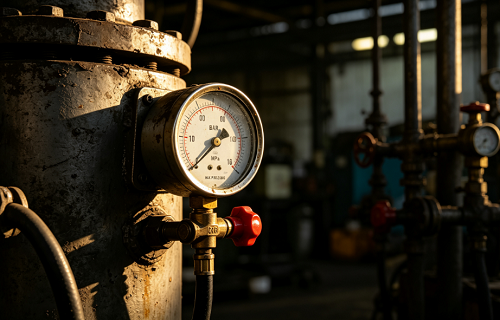
A diaphragm seal pressure gauge measures liquid force safely in tough conditions. You put in a bendable diaphragm seal to protect delicate inside parts from harsh chemicals. This thin barrier bends under system force and smoothly pushes liquid toward a second diaphragm pressure gauge. The solid wall keeps thick or dangerous liquids from breaking your second pressure gauge parts. Workers use a clean diaphragm seal in tough chemical plant, oil, ocean, and sanitary setups.
Market reports show big world sales for these protective systems:
| Source | Metric | Value | | Verified Market Reports | Global market size in 2024 | USD 2.5 billion |
Key Takeaways
A bendable diaphragm shields sensitive gauge pieces from strong and sticky chemicals.
Thick liquid that cannot be squeezed pushes force straight to the gauge tool without dropping power.
Choosing tough membrane materials stops chemical damage and reduces long-term fixing expenses.
Diaphragm seal gauges give very correct pressure measurements in harsh factory settings.
How a Diaphragm Seal Pressure Gauge Works
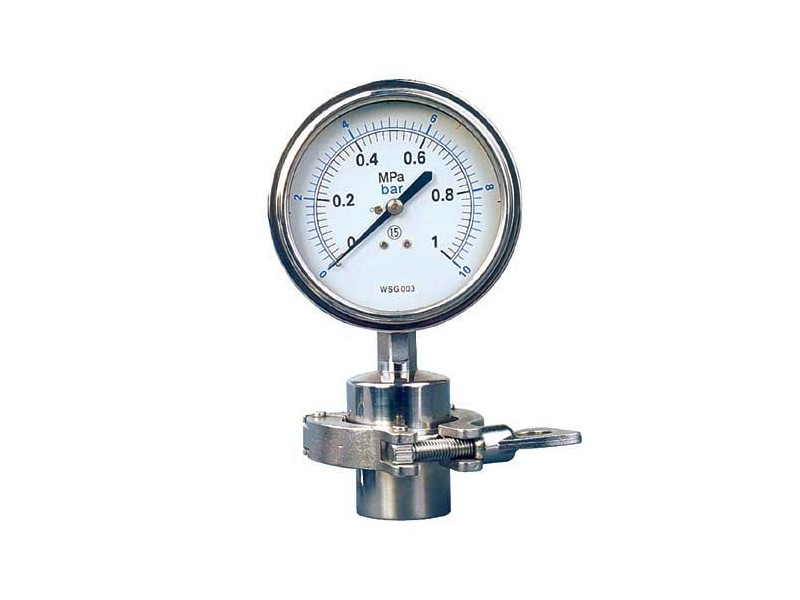
Safely measuring system force protects fragile instruments from rough industrial conditions. A diaphragm seal pressure gauge uses physical separation and liquid movement to block harsh fluids from reaching sensitive internal parts.
Hydraulic Pressure Transfer Mechanism
As process liquid enters the lower connection, it pushes against a flexible membrane. You can track this step-by-step physical bending process during normal measurement operations:
The diaphragm seal sits right on the process side of your gauge.
Incoming process liquid hits the outer surface of the flexible barrier.
System force bends the thin membrane inward into the inner chamber.
This bending motion pushes the fill fluid trapped behind the barrier.
Full physical separation stops burning, hot, or thick liquids from blocking or ruining your measuring tools. The bendable wall acts like a protective shield, keeping dangerous liquids away from sensitive internal parts.
Pascal's law shows that pressure on a trapped liquid spreads equally everywhere. In a liquid-filled tool, this rule means force on the wall travels smoothly through the filled path straight to the sensor.
Selecting the right surface shape keeps your measurement performance steady over long work periods. The size of the membrane surface directly affects low-pressure reaction speed and overall system sensitivity.
Diaphragm Surface Area Impact | Operational Support |
|---|---|
Large contact surface | Helps measure low pressures accurately under 600 mbar |
Diaphragm geometry | Controls movement quality and passes force along correctly |
A direct-working diaphragm gauge depends completely on this smooth physical movement. Choosing proper membrane sizes guarantees accurate responses across changing process conditions.
Role of Incompressible Fill Fluid
An inner chamber links the flexible membrane directly to the pressure-sensing Bourdon tube. Makers fill this closed space with clean hydraulic liquid. Removing all air bubbles is necessary because trapped gas compresses easily. Uncompressible liquid transfers physical force instantly without losing any movement.
A special vacuum filling process removes trapped air, moisture, and tiny bubbles from inside the chamber. This vacuum step creates a solid liquid connection for steady pressure movement.
You can follow hydraulic energy transfer through these step-by-step working stages:
Process pressure pushes straight against the flexible membrane face.
The bending membrane squeezes fill fluid inside the closed space.
The solid fill fluid pushes force directly into the Bourdon tube.
The uncoiling Bourdon tube moves the pointer across the dial.
Trapped air leads to uneven readings, slow responses, calibration mistakes, and large measurement errors. Clearing out air bubbles ensures accurate pressure numbers during every work cycle.
Makers pick specific fill liquids based on system heat levels and speed needs. Thinner liquids allow faster pointer movement during sudden pressure changes.
Diaphragm seal system fill fluid | Typical viscosity (cSt) |
|---|---|
Glycerine | 1300 |
Silicone oil | 10–50 |
Glycerine smooths out pointer shaking on heavily vibrating machinery setups. Thin silicone oil gives fast reaction times across wide temperature ranges. Every sealed gauge needs this unbroken liquid link to show real-time changes instantly without delay. You get accurate readings while helping your pressure gauge last much longer.
Components of a Diaphragm Seal Pressure Gauge
A diaphragm seal pressure gauge relies on carefully engineered parts to deliver precise pressure measurement instrument capabilities. Each component protects internal mechanisms from industrial hazards while maintaining overall device integrity.
Flexible Diaphragm Membranes
The flexible membrane acts as the primary barrier against aggressive system media. You choose specific wetted materials based on chemical resistance and mechanical stress requirements.
Material | Form and Grade | Corrosion Resistance Properties | Application Relevance |
|---|---|---|---|
Stainless Steel | SS316L sensing membrane | Moderate resistance; electropolishing per ASTM B912 raises PREN by 2–4 units over base SS316L | General industrial process pumps and fatigue-critical setups |
PTFE | Polytetrafluoroethylene membrane | Outstanding chemical resistance against aggressive solvents and concentrated acids | High-corrosion chemical processing and oil and gas services |
A standard SS316L membrane offers strong mechanical strength for general industrial duties. An electropolished surface finish below Ra 0.4 μm reduces fatigue crack initiation by eliminating surface defects. Passivation per ASTM A967 further enriches the protective passive layer on the metal surface. In contrast, a PTFE Teflon barrier provides superior protection against severe acids, although temperature limitations apply above 260°C. Selecting the proper material ensures optimal operational performance in your hygienic diaphragm seal applications.
Housings and Flushing Ports
The outer enclosure shields delicate internal measuring components against severe environmental conditions. Model PG-05 from Changzhou KB utilizes a robust 304 stainless steel bayonet case engineered specifically for demanding maritime and industrial operational environments. This protective housing holds an industrial pressure gauge securely in place during operation.
An IP65 ingress protection rating provides complete protection for the internal instrument assembly:
First digit 6: The enclosure is completely dust-tight, so no dust enters the housing.
Second digit 5: The enclosure withstands low-pressure water jets from a 6.3 mm nozzle in any direction.
This rating supports reliable outdoor usage during heavy rain or hose-directed washdown cycles without internal damage. The upper housing connects directly to the instrument body, while the lower housing secures the flexible seal face to the process line securely. A quick-release bayonet bezel allows convenient access for internal inspection and routine maintenance. Furthermore, a laminated safety glass window delivers strong scratch resistance and clear dial visibility. This shatter-resistant window protects operating personnel if internal pressure-sensing Bourdon tubes rupture unexpectedly under severe overpressure conditions.
Optional flushing ports offer crucial operational and maintenance advantages in heavy industrial setups:
A flushing port is a threaded auxiliary opening in the lower housing of a diaphragm seal. It lets an operator wash away material that collects on the membrane surface, stopping the seal from getting clogged.
Removing sticky media buildup prevents early sensor failure and maintains reading accuracy. Viscous fluids or solid particles often accumulate inside lower housing chambers over time. A quick chemical or water flush cleans the membrane face completely without removing the pressure gauge from the pipe line. This effective self-cleaning feature extends overall service life while preserving reliable system monitoring.
The direct integration of upper housings, durable membranes, and rugged cases forms a complete diaphragm gauge assembly. These combined structural features ensure long-term measuring stability across challenging marine, chemical, and industrial environments.
Diaphragm Seals vs Standard Pressure Gauges
Bourdon Tube Gauge Comparison
Standard Bourdon tube tools route fluid directly into a curved sensor element. Corrosive or solidifying liquids quickly clog narrow internal passages. A standard measuring tool works well for clean liquids. Sticky fluids block internal parts and cause early instrument failure. Stainless steel units handle heavy loads in petrochemical pipelines, but crystallizing media stops their uncoiling action.
You prevent severe clogging by installing a diaphragm seal pressure gauge. A flexible diaphragm seal isolates delicate parts from hazardous process media. The internal hydraulic fill fluid transmits force efficiently, although it adds 0.5–1.0% span uncertainty to the measurement system. You protect your equipment against aggressive solvents while lowering long-term repair costs.
Comparative aspect | Standard Bourdon tube gauge | Diaphragm seal assembly |
|---|---|---|
Core difference | Process fluid enters the curved tube directly | A flexible membrane isolates process media |
Typical operating range | 0.6 bar to 1000+ bar | 10 mbar to 40 bar |
Accuracy class | ±0.5% or ±1% Full Scale | ±2% or ±5% Full Scale |
For media that can clog gauge mechanisms, choose a diaphragm seal because it provides a physical barrier between the process fluid and the measuring instrument.
Direct-Actuated Diaphragm Gauges
You must distinguish standalone instruments from modular assemblies. A direct-actuated diaphragm gauge connects its membrane straight to the mechanical pointer assembly. Its wide flange opening prevents media buildup from glue, paint, or bitumen. This standalone diaphragm pressure gauge measures low system force accurately. Diaphragm elements provide excellent sensitivity for low ranges between 0 and 100 mbar where Bourdon tubes struggle.
A modular diaphragm seal attaches directly to a secondary pressure gauge. The upper chamber connects directly to a pressure-sensing Bourdon element. This protective barrier shields sensitive components from high heat and severe corrosion. The flexible diaphragm gauge design keeps your system safe during continuous operations. You maintain long service life in harsh chemical, ocean, and processing facilities.
Selection Guide: Changzhou KB Solutions
Choosing correct tools requires checking material choices against target liquids. Changzhou KB engineering rules guide you through each option. You protect equipment by matching inner parts to active work chemicals.
Media Compatibility and Materials
Pick right diaphragm seal material to stop early rust damage. SS316L sensing membranes give strong protection against harsh cleaning liquids and active gases. Meanwhile, PTFE offers broad chemical protection for rough acid processing.
Material | Sulfuric acid (H2SO4) | Sodium hydroxide (NaOH) | Weak spot |
|---|---|---|---|
PTFE | A / excellent | A / excellent | Flexibility, permeation |
EPDM | A for 10% dilute acid | B / good for 20% caustic | Hydrocarbons, oils, fuels |
FKM/Viton | A for 10% acid | Limited / C-D at high concentration | Strong alkalis, hot water |
Choosing PTFE stops damage when tracking harsh acids. EPDM works for weak acid jobs, but strong chemicals need full PTFE covers. Matching process liquids with right materials guarantees correct readings every single time.
Operating Ranges and Specifications
The Changzhou KB PG-05 diaphragm pressure gauge gives strong lasting power in tough places. You can mount this flexible tool to track system force from 0 to 10 MPa. Built-in 130% safety protection stops setting changes during quick pressure jumps.
PG-05 SPECIFICATION PROFILE
Parameter | Specification
Full-Scale Accuracy | 1.0%
Pressure Range | 0 to 10 MPa
Overpressure Limit | 130%
Operating Temperature | -20°C to 55°C (Ambient & Medium)
Process Connection | 1/2" BSP Threads
You trust 1.0% total accuracy for exact system control. This exact standard keeps solid scale accuracy across changing work conditions. The inner pressure-sensing movement uses 316 stainless steel to stop inside wear.
You can pick glycerine fill fluid to calm heavy machine shaking. Glycerine steadies pointer movements, protecting inner gear parts. Work temperatures stay safe from -20°C to 55°C in ocean and land setups. Standard 1/2" BSP threads allow quick hookups to current pipe lines.
Every direct-mounted diaphragm gauge offers special factory order choices. You can request custom dial faces, printed logos, or special pointers for your gear. These choices make this pressure gauge assembly great for world sea port jobs.
A diaphragm seal pressure gauge offers great protection by keeping harsh liquids away from delicate parts. Placing a tough barrier between the fluid and sensor guards inner gears from rust and clogs. Choosing the right tool means checking membrane materials, maximum limits, heat tolerance, and accuracy goals. Since 2009, Changzhou KB has brought 15 years of solid building expertise to global factory and ocean industries. You can trust every custom diaphragm gauge to stay precise in tough work settings. Rely on Changzhou KB for dependable pressure measurement instrument solutions that keep your daily operations safe.
FAQ
What industries can use the PG-05 Diaphragm Seal Pressure Gauge?
Factories that handle chemicals, oil, medicine, and food often use the PG-05 tool. It also works great for tough jobs near the ocean and at sea ports. This sturdy gauge stops thick, hot, or burning liquids from destroying the sensitive parts inside.
What materials make up the flexible diaphragm membrane?
You can pick either SS316L metal or a PTFE shield for the bendable barrier. SS316L gives strong support for everyday factory tasks. PTFE offers top protection against harsh liquids and strong burning acids that eat through metal.
How accurate is the PG-05 pressure gauge during operation?
The PG-05 pressure gauge gives exact readings within 1.0% of its total scale. You can track system force from 0 all the way to 10 MPa safely. Built-in 130% safety limits stop reading errors when pressure jumps suddenly.
Can this diaphragm seal gauge handle extreme weather conditions?
Yes, this tool works well in cold or warm heat levels from -20°C to 55°C. Its 304 stainless steel cover has an IP65 protection level. The tight box stops dust and blocks hard rain or water sprays from getting inside.
How does liquid fill improve gauge performance on vibrating machinery?
You can request liquid glycerine inside the gauge box. Glycerine stops violent shaking and smooths out the pointer line on the dial face. Adding this liquid guards delicate internal gears so they do not wear out quickly on shaking gear.
Hi, I’m Niki, founder of Changzhou Yaobo Instruments & Meters Co., Ltd. and a senior instrumentation R&D engineer with over 20 years of experience in pressure measurement.
I specialize in pressure gauge selection, troubleshooting, and application solutions for demanding industries such as chemical, oil and gas, and metallurgy. Through this blog, I share practical insights from real-world industrial experience to help professionals select reliable instruments and avoid common application issues.
I want to comment
Recent News
1.Pressure Gauges Used in Industrial Equipment: Complete Guide
2026-07-102.Top Pressure Gauge Manufacturers in China 2027
2026-07-233.Oil Filled Pressure Gauge vs Dry Pressure Gauge: Which One Is Better?
2026-07-284.A guide to choosing the right nautical barometer for your needs
2026-07-025.Fire Extinguisher Gauge Trends Shaping Safety Equipment in 2026
2026-06-096.How to Choose the Best Marine Clocks and Barometers for Your Boat
2026-05-187.Are Oil-Filled Pressure Gauges Better? A Complete 2026 Comparison Guide for Industrial Buyers
2026-05-07




View More(Total0)Comment lists